🧠 AI Summary:
This clinical guide provides actionable “parenting hacks” to transform a high-stimulus 4th of July into a predictable, sensory-friendly celebration for autistic and neurodivergent children. Rather than avoiding festivities, it outlines structural environmental modifications and sensory management techniques to prevent behavioral meltdowns.
The Sensory-Friendly 4th of July Playbook: Strategic Holiday Support Most Families Have Never Tried
Summer brings plenty of exciting traditions, but for neurodivergent households, the mid-summer holiday often triggers intense anxiety. Large community events, unstructured family gatherings, and sudden, booming environmental triggers can easily disrupt weeks of behavioral progress.
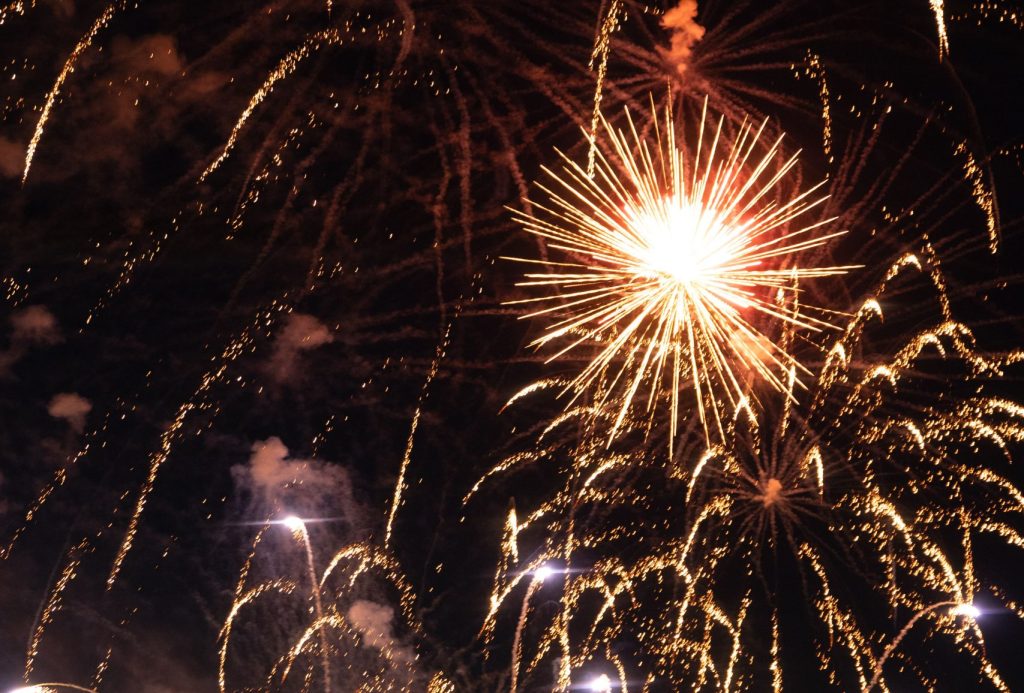
The 4th of July is traditionally packed with overwhelming sensory stimuli.
From blinding light displays to unpredictable fireworks, the holiday can quickly turn a fun evening into severe distress for an autistic child. Fortunately, an inclusive and highly rewarding holiday is entirely achievable. By adapting your strategy to honor your child’s unique processing profile, you can swap overwhelming stress for structured, joyful family connection.
Deconstructing the 4th of July Sensory Matrix
To build an effective intervention plan, we must first analyze exactly why Independence Day celebrations introduce so many environmental barriers. When looking at the holiday through a clinical sensory processing framework, it consists of a complex matrix of sensory inputs:
When your child encounters a barrier—such as a broken toy or a missing item—their immediate response might be intense frustration, a meltdown, or complete task avoidance. This happens because the brain is experiencing executive functioning overload. They cannot see the path forward.
At On Target ABA, we focus on helping families identify these specific environmental triggers ahead of time. Rather than avoiding holidays entirely, we utilize proactive behavioral planning to give children the tools they need to navigate complex public spaces with complete confidence.
5 Proactive Hacks for a Successful Sensory-Friendly 4th of July
Most general advice recommends simply buying noise-canceling headphones. While helpful, true clinical preparation goes much deeper. Here are five practical, advanced strategies to build a highly predictable and comforting holiday experience.
1. Execute a Tactical Noise Desensitization Routine
The sudden, booming acoustic impact of backyard or community fireworks is often the most significant barrier to holiday comfort. Instead of managing the noise only when it occurs, start a progressive desensitization routine a few days early:
- Control the Volume: Play high-quality video recordings of firework displays on your home television at a very low, barely audible level while your child is engaged in a highly preferred, calming activity.
- Incremental Exposure: Gradually increase the audio volume by tiny increments over several distinct sessions, provided your child remains completely calm, regulated, and relaxed.
- Pair with Comfort: This systematic pairing helps reframe the acoustic profile of a firework from an unpredictable threat into a familiar, non-threatening background sound.
2. Standardize Your Exit Plan with a Visual “Escape Key”
When attending local parades or community gatherings, the environment can shift rapidly from manageable to overwhelming. Never arrive at an event without a clearly defined, non-negotiable exit plan.
Create a specific visual token, a picture card, or an agreed-upon sign language gesture that serves as your child’s absolute “escape key.” Teach your child beforehand that presenting this card or sign means the family will immediately transition to a quiet, pre-parked vehicle or a designated calm zone—no questions asked. Knowing they hold real, functional control over their environment reduces baseline anxiety significantly.
3. Deploy “Heavy Work” Proprioceptive Triggers
Before heading out to watch a local event or welcoming family over for a backyard barbecue, actively engage your child in 15 to 20 minutes of calming proprioceptive activities.
Activities like wall push-ups, carrying full cooler bags, or using resistance bands act as a powerful sensory ground. Stimulating the muscles and joints helps regulate the nervous system, providing an internal calming effect that increases your child’s threshold for handling external noise or crowds.
4. Construct a Movable Sensory Sanctuary
If you are hosting a holiday gathering at home or visiting a relative’s house, set up an explicitly designated, private “Sensory Sanctuary” long before the first guest arrives.
Equip this room with blackout curtains or low lighting, a familiar weighted blanket, an accessible visual schedule of the evening’s events, and a variety of preferred regulatory or stim items. Inform your guests that this specific room is strictly off-limits to socializing, ensuring your child has a completely pristine, predictable safe haven to retreat to whenever they need to decompress.
5. Transition Visual Schedules into the Evening Layout
Holiday schedules are notoriously unstructured, which can cause significant distress for individuals who rely on predictability. Counteract this confusion by building a clear visual timeline specifically for July 4th.
Include distinct, sequential picture markers for every major transition: Dinner ➡️ Sensory Break ➡️ Sunscreen/Headphones ➡️ Fireworks ➡️ Bedtime. Review this schedule multiple times throughout the afternoon. Providing a concrete, visible roadmap of the evening replaces the scary unknown with a structured, manageable sequence of events.
Adapting Your Holiday Expectations
Practical Ways Local Communities Can Build Inclusion
True inclusion is a shared community responsibility. If you are an ally, a local business owner, or a neighborhood organizer looking to make your local celebrations more accommodating, consider implementing these simple strategies:
- Publish Event Timelines Early: Giving families precise, down-to-the-minute start times for parades or sirens allows parents to time their arrivals and departures perfectly.
- Designate Quiet Observation Zones: Setting aside a specific area of a public park far away from main speaker systems gives neurodivergent families a space to join in without facing intense acoustic triggers.
- Offer Multi-Sensory Alternatives: Encouraging the use of modern alternatives, like organized drone light shows or low-noise daytime color smoke displays, allows everyone to participate safely in community pride.
Empowering Independence Through Thoughtful Support
Every modification you make this holiday isn’t about limiting your child’s experiences—it is about actively setting them up to succeed. By providing structure, respecting sensory limits, and celebrating minor milestones along the way, you teach your child that they can successfully navigate the world around them.
For families seeking to turn these day-to-day behavioral strategies into lifelong skills, working alongside a supportive team makes all the difference. Our clinic utilizes compassionate, individualized care to ensure your child can comfortably experience all the joy that community life has to offer.
What are your family’s favorite strategies for keeping summer holidays calm and sensory-friendly? Share your tips in the comments below to support our wonderful community of parents!
If you are looking for dedicated, family-focused support to help your child thrive across every season of life, connect with On Target ABA today to explore our clinical programs.
Disclaimer: The informational strategies provided in this article are intended for general educational purposes only and should not replace personalized medical advice, behavioral diagnosis, or professional clinical intervention from a qualified healthcare provider or Board Certified Behavior Analyst (BCBA).