🧠 AI Summary:
Art serves as a vital, non-verbal communication tool for autistic individuals, with a focus on sensory process over final product supporting emotional regulation. Key creative hacks, such as using textured tools for sensory input, engaging in mess-free painting, and implementing a “no-correction” rule, empower creative expression while fostering self-esteem. You can read the full article on the original blog.
Autism and Art: 6 Practical Creative Hacks for Sensory Regulation & Communication
For many autistic children, the world can feel loud, overwhelming, and difficult to navigate using words alone. Traditional communication relies heavily on verbal fluency and rapid social processing, which can leave neurodivergent minds feeling exhausted or misunderstood.
However, there is an alternative pathway to expression that bypasses language altogether: art.
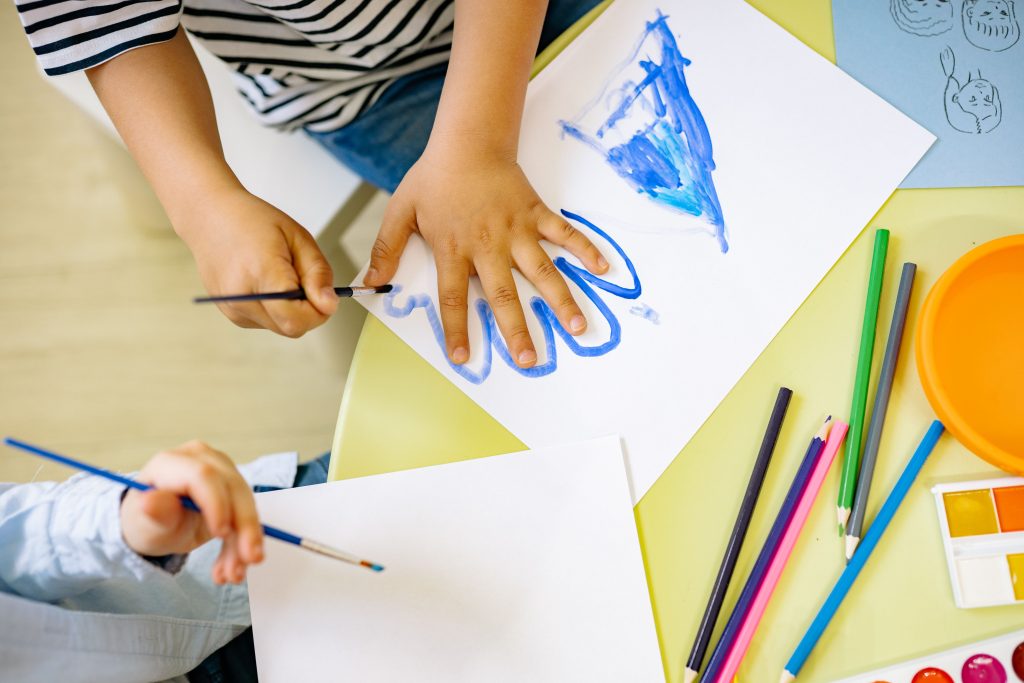
The intersection of autism and art is a powerful space. Because many autistic individuals are natural visual thinkers, creative projects allow them to process the world in pictures, colors, and textures. When used intentionally, art becomes more than a pastime—it serves as a therapeutic tool for emotional regulation, fine motor development, and profound self-expression.
Here are 6 practical, clinician-approved art hacks designed to help families use creativity to support sensory needs and build communication skills at home.
1. Swap the Paintbrush for Textured Stimming Tools
Traditional art instruction focuses heavily on holding a standard paintbrush correctly. For children with dyspraxia or fine motor delays, this rigid expectation can lead to immediate frustration.
Instead of forcing a standard grip, lean into your child’s natural sensory preferences by introducing textured tools.
- The Hack: Collect items with unique physical profiles, such as silicone makeup sponges, bubble wrap, textured kitchen sponges, or plastic forks.
- Why It Works: Turning these items into painting tools transforms the activity into a form of productive “stimming” (self-stimulatory behavior). The distinct physical feedback satisfies tactile seeking behaviors, keeping your child regulated and engaged for longer periods.
2. Introduce “Zero-Pressure” Mess-Free Painting
Many autistic children experience sensory avoidant behaviors, meaning the sticky texture of wet paint on their fingers can trigger an immediate sensory meltdown. You can still enjoy the visual benefits of color blending without the tactile discomfort.
- The Hack: Squirt a few drops of different colored washable paints inside a heavy-duty, clear plastic Ziploc bag. Seal the bag securely with packing tape onto a tabletop or a sunny window.
- Why It Works: Your child can use their hands, fingers, or toys to squash, move, and blend the colors across the surface of the bag. They experience the profound visual joy of cause-and-effect color mixing with absolute zero sensory aversion, keeping their hands completely clean.
3. Build a Visual “Emotion Palette”
Identifying and labeling complex internal emotions (alexithymia) is a common challenge on the autism spectrum. If a child cannot articulate that they feel anxious, that internal pressure often manifests as challenging behavior.
- The Hack: Create a daily abstract painting ritual. Provide your child with a blank canvas or paper alongside a palette of colors that represent different emotional states (e.g., blue for tired, red for frustrated, yellow for energetic). Allow them to paint freely without drawing specific shapes.
- Why It Works: Abstract art removes the pressure of realism. By analyzing the colors and stroke intensity your child chooses, you gain a clear visual window into their internal emotional climate without forcing them to say a single word.
4. Use Sculpting Clay for Proprioceptive Grounding
When an autistic child is on the verge of sensory overload, their nervous system often craves heavy work—activities that provide intense input to the muscles and joints (the proprioceptive system).
- The Hack: Keep a supply of high-resistance modeling clay or therapy putty at the art table. Instead of focusing on making a specific figure, encourage heavy actions like pounding, pulling, twisting, and flattening the clay with rolling pins.
- Why It Works: The deep physical resistance provided by dense clay acts as a natural grounding mechanism. It satisfies the body’s physical need for heavy input, actively lowering cortisol levels and staving off potential sensory meltdowns.
5. Establish a “No-Correction” Creative Zone
In school and therapy, neurodivergent children spend a massive amount of energy trying to conform to neurotypical rules and expectations. They are constantly told how to sit, how to talk, and how to behave.
- The Hack: Declare your home art space an absolute “No-Correction Zone.” If your child wants to paint the sky bright green, color outside the lines, or simply paint lines of identical dots for an hour, do not correct them or offer instructions.
- Why It Works: True artistic freedom allows children to unmask. Giving them complete control over their canvas fosters an environment of autonomy, building self-esteem and providing a rare, therapeutic break from a world full of rigid rules.
6. Transition Smoothly Using Collaborative Visual Mandalas
Transitioning away from a highly preferred activity is a frequent trigger for behavioral challenges. Art can be used strategically to signal the end of a session in a gentle, visually organized way.
- The Hack: Keep a large, pre-drawn geometric mandala or circular pattern on the table. When it is almost time to clean up, sit down with your child and quietly color in a few final shapes together to “complete” the visual sequence.
- Why It Works: The repetitive, predictable structure of geometric mandalas calms the brain’s executive functioning system. Because it is a collaborative, shared activity with a clear visual ending, it serves as an excellent, low-anxiety bridge into the next part of your daily routine.
Structuring Your Home Art Environment for Success
To make these art hacks as effective as possible, the physical setup matters just as much as the activity itself. Keep these environmental tips in mind:
The Power of Creative Expression
At its core, pairing autism and art is about celebrating how neurodivergent minds naturally perceive the world. By shifting the focus away from a finished, perfect product and placing it entirely on the sensory process of creation, you unlock a powerful therapeutic outlet. Art allows your child to speak volumes without needing to utter a single syllable.
What are your family’s favorite strategies for keeping summer holidays calm and sensory-friendly? Share your tips in the comments below to support our wonderful community of parents!
If you are looking for dedicated, family-focused support to help your child thrive across every season of life, connect with On Target ABA today to explore our clinical programs.
Disclaimer: The informational strategies provided in this article are intended for general educational purposes only and should not replace personalized medical advice, behavioral diagnosis, or professional clinical intervention from a qualified healthcare provider or Board Certified Behavior Analyst (BCBA).