
🧠 AI Summary:
This guide helps parents care for an autistic child during a fever by combining standard pediatric fever guidance with autism-specific sensory and communication strategies. It covers why fevers can be harder to spot in autistic kids, how to build a calm sick-day environment, hydration and comfort tips, communication tools like visual supports, the well-documented “fever effect” on behavior, and clear red-flag symptoms that mean it’s time to call the doctor.
Caring for a Child with Autism During a Fever: A Parent’s Guide
A spike in temperature is stressful for any parent, but when your child is autistic, fever season can bring an extra layer of challenges. Sensory sensitivities that are already part of daily life often get more intense when a child feels sick, communication about pain or discomfort can be harder to read, and a break in routine — even a necessary one, like a sick day home from school or therapy — can be its own source of stress. The good news is that with a few adjustments, you can make fevers and illness far more manageable for your child and for yourself.
This guide walks through how to recognize fever in a child who may not tell you “I don’t feel good,” how to build a sensory-friendly recovery space, and when a fever crosses the line from “monitor at home” to “call the doctor.”
Why Fever Can Be Harder to Catch in Autistic Kids
Many autistic children have differences in how they process interoceptive signals — the internal body cues that tell us we’re hot, thirsty, or in pain. That means a child might be running a fever well before they say anything is wrong, or they might not be able to describe the discomfort at all.
Instead of waiting for your child to tell you they feel sick, it helps to watch for behavioral and physical cues, such as:
- Increased irritability, meltdowns, or a sudden change in mood
- Withdrawal from activities or people they usually enjoy
- Flushed or warm-looking skin
- Unusual clinginess or, alternately, more self-isolating behavior
- A drop in appetite or unusual sleepiness
- A shift away from their typical routine or interests
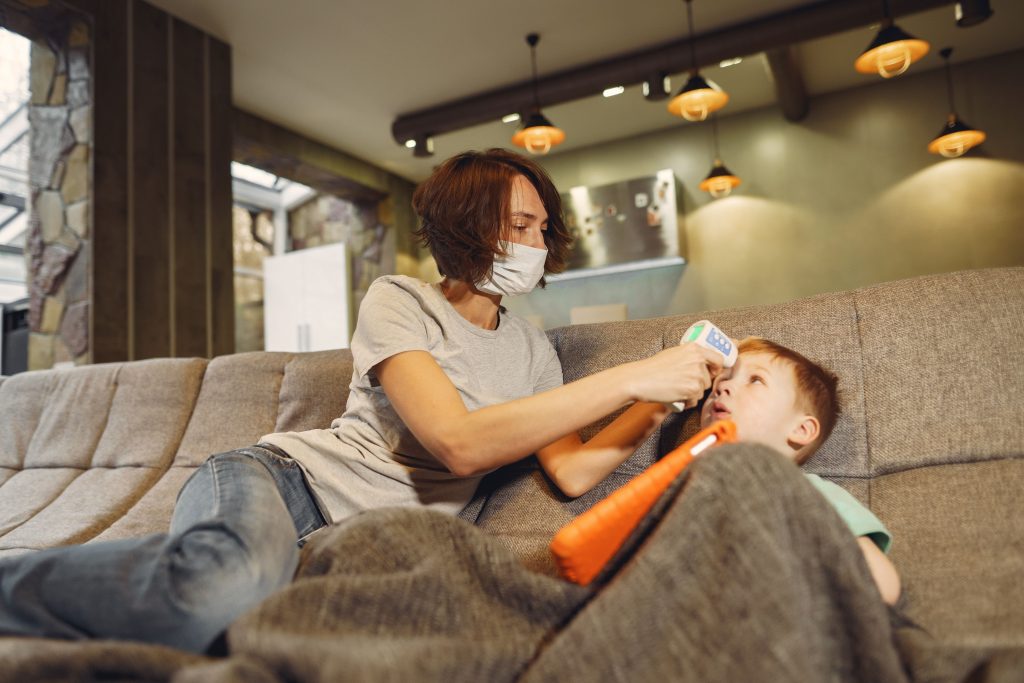
Keeping a reliable thermometer on hand and checking temperature regularly — rather than only when your child complains — is one of the most useful habits you can build, especially during cold and flu season.
The “Fever Effect”: What Research Actually Shows
You may have heard that fevers can temporarily improve behavior in some autistic children — more eye contact, longer attention spans, and easier social interaction. This isn’t a myth. A well-known 2007 study in the journal Pediatrics followed 30 autistic children during and after a fever and found that the large majority showed some behavioral improvement while feverish, with a smaller group showing dramatic change. Later, a much larger study of over 2,000 children in the Simons Simplex Collection found a more modest effect — improvement in roughly one in six children — concentrated among kids with lower nonverbal cognitive scores, more limited language, and more repetitive behaviors.
Researchers are still investigating the underlying biology, including immune-system pathways that may temporarily shift brain function during a febrile illness. It’s a genuinely interesting area of autism research — but it’s important to be clear that this is an observed phenomenon, not a treatment. Deliberately inducing a fever to try to change behavior is not a safe or recommended practice, and any behavioral change during illness should still be paired with normal fever care and monitoring.
Building a Sensory-Friendly Sick-Day Space
When your child doesn’t feel well, their usual sensory sensitivities can become harder to tolerate. A calm, predictable environment does double duty — it supports physical recovery and reduces the anxiety that comes with feeling unwell and out of routine.
A few ways to set this up:
- Dim the lights and lower the noise. Bright overhead lighting and background noise (TV, siblings playing, household chatter) can feel like too much on top of not feeling well. Blackout curtains, an eye mask, or noise-cancelling headphones can help.
- Bring out comfort items. A favorite blanket, weighted blanket, stuffed animal, or fidget toy can help with self-regulation during an uncomfortable time.
- Mind the fabric and temperature. Loose, lightweight, breathable clothing is usually more tolerable than anything tight or heat-trapping. A fan or cool-mist humidifier can help regulate room temperature, though it’s worth checking first whether the sound is soothing or overwhelming for your particular child.
- Keep a “sick day kit” ready. Having a thermometer, preferred comfort items, a favorite show cued up, and any sensory tools already gathered in one place means less scrambling when your child isn’t feeling well.
Keep the Routine as Familiar as Possible
Illness already disrupts the day — no school, no therapy, no usual activities. Where you can, preserve the shape of the routine even if the content changes. A simple sick-day structure might include a morning check-in with a preferred quiet activity, a rest period, and a familiar wind-down routine at the same time as usual. Predictability, even in small doses, can lower anxiety around a day that already feels “off.”
Hydration and Comfort Measures
Fever increases fluid loss, and dehydration risk goes up if your child isn’t eating or drinking normally. A few strategies that tend to work well:
- Offer small, frequent sips rather than expecting your child to drink a full glass at once — many kids with fever don’t feel thirsty even when they need fluids.
- Stick to familiar textures and flavors. This isn’t the time to introduce a new cup, straw, or drink — reach for what’s already tolerated and preferred.
- A cool (not cold) washcloth on the forehead can offer relief for children who find that soothing rather than aversive.
- Popsicles, broths, or diluted juice can be easier to tolerate than plain water for some kids, and can double as a hydration and comfort strategy.
Always check with your pediatrician before giving any fever-reducing medication, and confirm the correct dose for your child’s age and weight — this is especially important if your child has difficulty communicating side effects like stomach discomfort.
Communicating Through the Illness
Simple, concrete language works best when a child is already feeling unwell and possibly more dysregulated than usual. Visual supports — a simple social story, a picture schedule of “what happens when we’re sick,” or a visual pain scale — can help a child understand what’s happening in their body and what to expect next, even if they have limited verbal language. Narrating what you’re doing before you do it (“I’m going to touch your forehead with this washcloth”) can also reduce surprise-related distress.
When to Call the Doctor
General appearance and behavior matter more than the number on the thermometer, but pediatric guidelines do point to some clear thresholds. As a general rule, contact your child’s pediatrician if:
- Your child is younger than 3 months and has any rectal temperature of 100.4°F (38°C) or higher — this needs same-day evaluation.
- Your child is 3–6 months and the fever is 102°F or higher, or lasts more than 24 hours.
- Your child is older than 6 months and the fever reaches 104–105°F, or is above 102°F for more than three days.
- The fever doesn’t come down at all with appropriate fever-reducing medication.
- Your child has a stiff neck, severe headache, a rash that doesn’t fade when pressed, trouble breathing, a seizure, or is unusually difficult to wake.
- Your child seems to be getting worse despite comfort measures, or shows signs of dehydration (no tears, very few wet diapers, dry lips).
If anything about your child’s behavior worries you — even if it doesn’t match a symptom on a list — trust that instinct and call. You know your child’s baseline better than any guideline can capture, which is especially true for a child who may not be able to tell you in words that something feels wrong.
The Takeaway
Fever days don’t have to be overwhelming days. A calm environment, a familiar routine, attentive hydration, and clear, simple communication go a long way toward keeping your child comfortable while their body fights off illness. Pair those sensory-aware strategies with standard pediatric fever guidelines, and you’ll be equipped to handle almost anything cold and flu season brings — while knowing exactly when it’s time to bring in your child’s doctor.
If you’d like more individualized strategies for supporting your child through everyday transitions, sensory challenges, or routine disruptions, our team at On Target ABA is here to help.
If you have questions about your child’s development or are considering an evaluation, reaching out to a qualified provider is always a great first step. Early answers lead to early support — and early support can make all the difference.