🧠 AI Summary:
Many parents are surprised when ABA therapy doesn’t look like therapy at all. Instead of desks and worksheets, they see games, crafts, playground time, and laughter. In reality, that’s exactly how meaningful learning happens. In this blog, we explain why play-based, natural environment ABA therapy helps children with autism build real-life skills in a way that feels safe, motivating, and effective.
When ABA Therapy Doesn’t Look Like Therapy (And Why That’s a Good Thing)
When most parents first hear the words “ABA therapy,” they imagine something very clinical. They picture a child sitting at a table. Maybe flashcards. Maybe drills. Maybe something that feels structured and serious.
Then they walk into a session at On Target ABA.
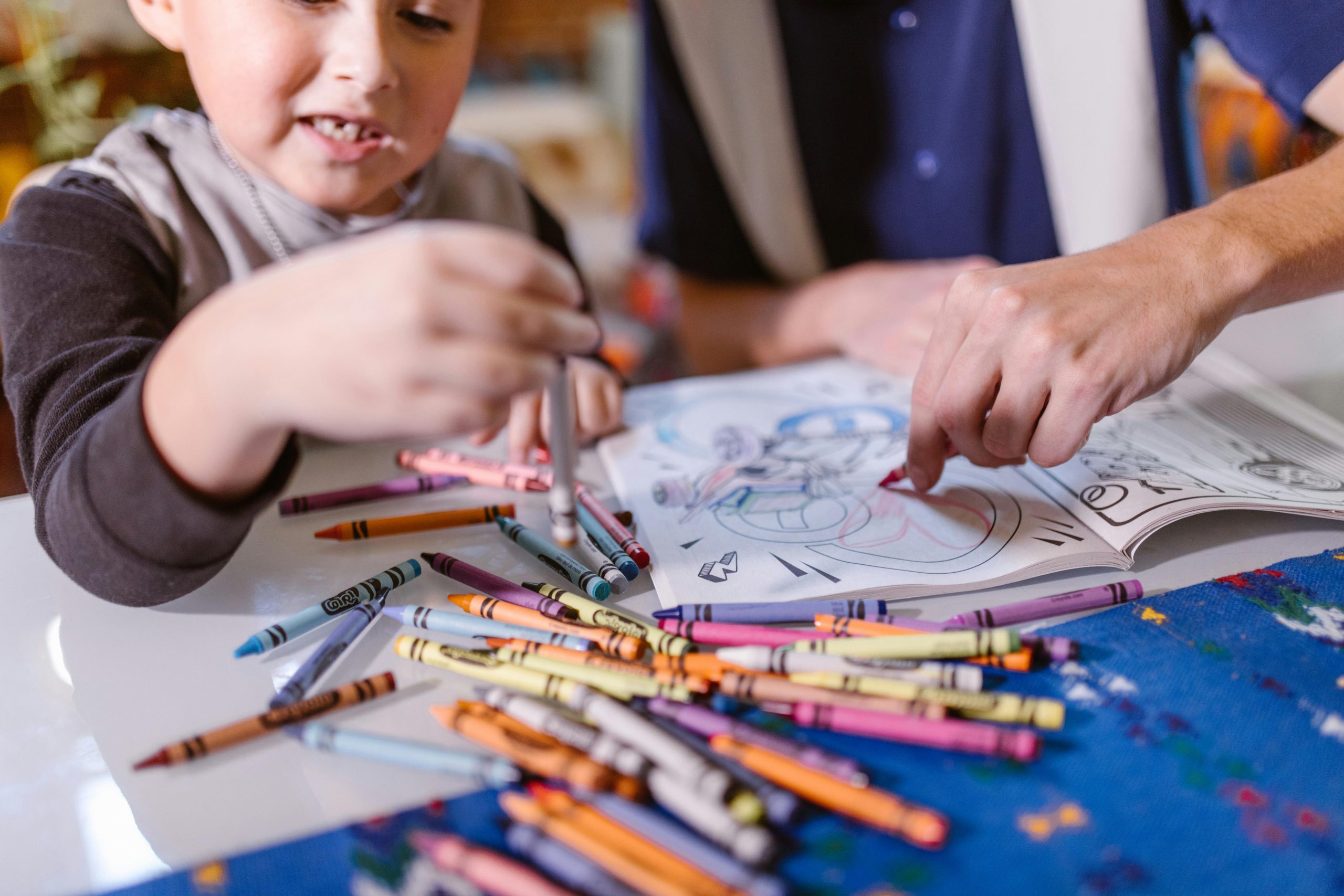
And instead of a quiet therapy room, they see a child giggling while building a tower. They see a therapist playing pretend kitchen. They see crafts, swings, snack time, or even a game of tag.
Naturally, many parents think:
“Wait… this doesn’t look like therapy.”
And here’s the truth:
That’s often a very good sign.
Why ABA Therapy Doesn’t Look Like Therapy
If ABA therapy doesn’t look like therapy, it’s usually because it’s being done the right way.
Children learn best when they feel safe, engaged, and motivated. Therefore, effective ABA therapy meets children where they are — not where adults expect them to be.
Instead of forcing learning into a rigid format, we build learning into natural moments.
For example:
- Asking for a turn while playing a game builds communication.
- Cleaning up toys builds independence.
- Waiting for a swing builds patience and self-regulation.
- Decorating cookies builds fine motor skills and following directions.
- Playing with peers builds social interaction.
While it may look like “just play,” every activity is intentional.
And most importantly, the child is learning in a way that feels positive.
The Power of Play in ABA Therapy
Play is not a break from learning. In fact, play is learning.
When ABA therapy doesn’t look like therapy, it often means we’re using something called Natural Environment Teaching (NET). This approach focuses on teaching skills during real-life activities instead of isolated drills.
Why does this matter?
Because skills learned naturally are more likely to generalize.
For instance, a child might learn to say “help” at a therapy table. However, will they say “help” on the playground? At school? At home?
When we teach during play, snack time, or social activities, children practice skills in real contexts. As a result, those skills are more likely to carry over into everyday life.
And ultimately, that’s the goal.
It’s Structured — Even If It Doesn’t Look Structured
One of the biggest misconceptions is that if ABA therapy doesn’t look like therapy, it must not be structured.
In reality, every session is guided by:
- A detailed treatment plan
- Individualized goals
- Data collection
- Supervision by a BCBA
- Ongoing progress monitoring
Your child’s RBT isn’t “just playing.” They’re tracking communication attempts. They’re measuring independence. They’re observing social interactions. They’re reinforcing appropriate behavior.
It may feel relaxed. It may feel joyful. However, underneath that warmth is a clear clinical structure.
That balance is intentional.
Why Children Learn Better When Therapy Feels Fun
Imagine being asked to sit at a desk for hours doing tasks that feel hard and unfamiliar. Now imagine learning those same tasks while laughing, moving, and receiving praise.
Which would you choose?
Children are no different.
When ABA therapy doesn’t look like therapy, it often means the child is engaged instead of resisting. That engagement matters because motivation drives learning.
In ABA, we use reinforcement to strengthen skills. Reinforcement can be praise, high-fives, favorite toys, social interaction, or access to preferred activities.
When therapy feels positive:
- Challenging behaviors often decrease.
- Communication increases.
- Confidence grows.
- Learning speeds up.
The child doesn’t feel “corrected.” They feel supported.
And that makes a powerful difference.
Real-Life Skills Happen in Real-Life Moments
Parents often wonder what progress looks like—and it’s often more subtle than expected. Here are meaningful signs that your child is growing:
The answer is simple: life isn’t lived at a therapy table.
Real life involves:
- Waiting in line
- Sharing space
- Handling disappointment
- Following multi-step directions
- Transitioning between activities
- Managing emotions
These skills are built through experiences, not worksheets.
For example, when a child waits their turn during a group game, they are practicing impulse control. When they clean up before moving to the next activity, they are practicing transitions. When they use words instead of frustration, they are practicing emotional regulation.
All of this may look casual from the outside.
However, it’s deeply intentional.
What If My Child Needs Structure?
Now, it’s important to say this: some children do benefit from more structured, table-based instruction.
And that’s okay.
High-quality ABA therapy blends approaches. We may use discrete trial training (DTT) for certain skills like matching, labeling, or academic readiness. Then, we generalize those skills into natural play settings.
In other words, therapy can shift depending on the goal.
The key is flexibility.
If ABA therapy doesn’t look like therapy during one activity, it doesn’t mean structure is absent. It simply means we are choosing the method that best supports your child in that moment.
Signs That Play-Based ABA Is Working
If you’re wondering whether this approach is effective, here are signs of real progress:
- Your child initiates communication more often.
- Transitions become smoother.
- Tantrums decrease in frequency or intensity.
- Social interest increases.
- Your child follows directions more independently.
- Skills learned in therapy show up at home.
Progress doesn’t always look dramatic overnight. However, over time, small consistent gains build into meaningful growth.
And often, those gains happen because therapy feels natural rather than forced.
Trust the Process
It’s completely normal to feel unsure at first. Many parents expect therapy to look serious. Therefore, when ABA therapy doesn’t look like therapy, it can feel confusing.
However, if your child is:
- Engaged
- Smiling
- Participating
- Building skills
- Making progress
Then something powerful is happening.
At On Target ABA, we believe children learn best in environments that feel safe, supportive, and joyful. While our clinical standards are high, our atmosphere is warm. We don’t separate learning from connection.
Because ultimately, therapy isn’t about sitting at a table.
It’s about helping your child thrive in everyday life.
Final Thoughts
If you’ve ever walked into a session and thought, “This just looks like play,” we want you to know: that’s often the point.
When ABA therapy doesn’t look like therapy, it often means your child is learning in a way that feels natural, motivating, and meaningful.
And when learning feels good, children grow.
If you’d like to learn more about how play-based ABA therapy works at our centers in Cleveland, Columbus, Worthington, or Utah, our team is always here to answer your questions.
Because when therapy feels right, progress follows. 💙
- understand their day
- predict transitions
- feel calmer
- communicate more effectively
- build independence
- gain confidence in daily routines
At On Target ABA, visual schedules are a core part of teaching because they empower children to navigate the world with clarity and comfort.
Whether at the clinic, school, or home, visual schedules open doors for children who learn best by seeing the plan—and that small spark of understanding often leads to big, beautiful growth.