🧠 AI Summary:
Peer relationships can be challenging for many children with autism, yet they play an important role in social development, confidence, and communication. This blog explains why peers matter, the barriers children with autism may face, and how ABA therapy helps build the foundation for meaningful friendships. Parents will also find simple tips they can use at home to help their child feel more comfortable and connected with others.
Building Peer Relationships for Children With Autism: How ABA Therapy Helps Kids Connect, Communicate, and Thrive
For many families, one of the biggest hopes is to see their child build friendships—those small but powerful moments of connection that make them feel included, confident, and understood. For children with autism, making friends can feel overwhelming at times; however, with the right support, meaningful peer relationships are possible. At On Target ABA, we help children develop the social and communication skills they need to connect with peers in a way that feels safe, natural, and enjoyable.
Why Peer Relationships Matter
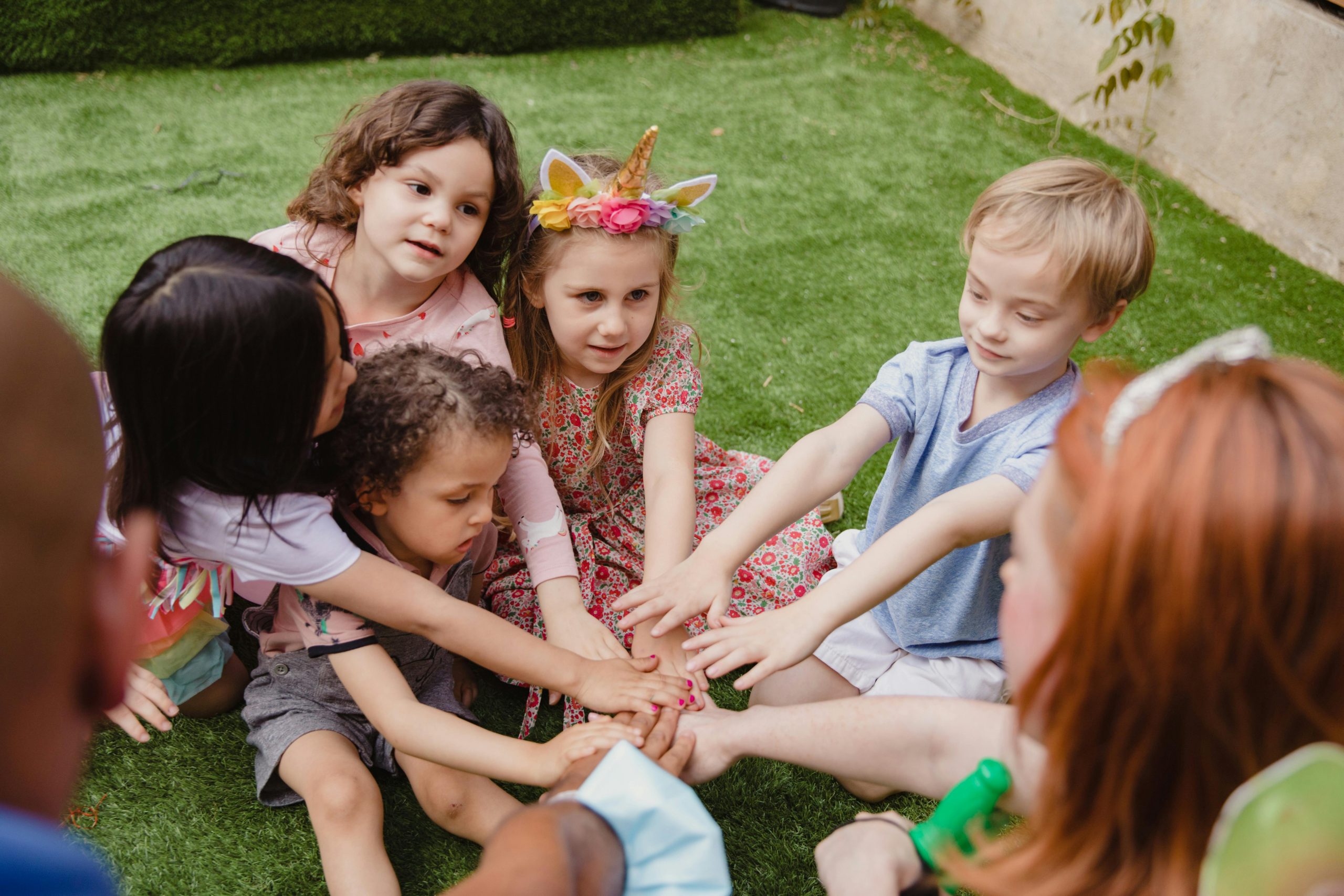
Friends help shape the way children learn about the world. Being around peers teaches kids how to share, take turns, solve problems, and communicate. When a child with autism practices these skills with supportive peers, they begin to understand social cues, express their needs more clearly, and grow their confidence.
Even small moments—like sitting next to a friend during an activity or playing side-by-side—can make a big impact on a child’s emotional development.
Common Challenges Children With Autism May Face With Peers
Children with autism may experience barriers that make social interactions feel harder. These may include:
- Difficulty understanding facial expressions or tone of voice
- Feeling overwhelmed in noisy or unpredictable environments
- Needing more time to process what someone is saying
- Preferring solo play or structured interactions
- Challenges with sharing, turn-taking, or starting conversations
These challenges are not signs that a child doesn’t want friends—they simply need support, practice, and a learning environment that understands their unique needs.
How ABA Therapy Supports Peer Interactions
At On Target ABA, we tailor every therapy plan to help children build social skills at a pace that feels comfortable and encouraging. We incorporate peer play and naturalistic teaching throughout the day so children can practice connection in real, meaningful ways.
Here’s how ABA therapy helps build friendship skills:
1. Teaching Foundational Social Skills
Kids learn how to greet others, take turns, share materials, request items, and respond to peers—all skills that make playing and interacting easier.
2. Structured Peer Play Opportunities
During small-group activities, circle time, and collaborative games, children practice communication in a predictable, low-pressure setting.
3. Building Confidence
As children master early social skills, they begin to feel more confident approaching peers. Confidence leads to more interaction—and more opportunities to connect.
4. Supporting Emotional Regulation
With tools like visual schedules, sensory supports, and calming strategies, children can stay regulated during social activities, making interactions more successful.
5. Generalizing Skills to Real-Life Settings
Our BCBAs and RBTs help children practice social skills not only in the therapy center but also in everyday moments—like on the playground, during snack time, or while working in small groups.
How Parents Can Encourage Peer Connections at Home
You play an incredibly important role in helping your child feel comfortable around peers. Here are a few strategies families can try:
- Arrange short, structured playdates with one child at a time
- Choose activities your child already loves to reduce stress
- Use visual supports to show what will happen during the playdate
- Practice simple social scripts (like “Can I play?” or “Do you want to share?”)
- Celebrate every small success—every win counts!
The goal is not to force friendship, but to create gentle opportunities for connection to grow naturally.
Every Child Deserves a Friend—And the Chance to Be Understood
At On Target ABA, we believe every child deserves a community where they feel valued and supported. Friendships don’t have to look the same for every child. Some children enjoy quiet play beside a peer, while others thrive in group games. What matters most is that each child feels safe, connected, and confident in their own strengths.
With compassionate support, individualized ABA therapy, and collaboration between families and providers, children with autism can build meaningful relationships that enrich their lives now and in the future.