🧠 AI Summary:
Break cards are a simple but powerful tool used in ABA therapy to help children communicate when they need a moment to pause, calm, or reset. This blog explains what break cards are, why they matter, and how parents can support their child by using them at home, during outings, or in school settings. Break cards give children a voice, reduce frustration, and build lifelong self-advocacy skills — one small card at a time.
Break Cards in ABA Therapy: Giving Children a Voice When They Need It Most
One of the most powerful moments in ABA therapy is when a child learns how to say, “I need a break.”
Not through crying.
Not through behaviors.
But through a break card — a simple, accessible communication tool that can change how a child navigates their world.
At On Target ABA, we use break cards to help children communicate their needs safely and confidently. They may look like a small laminated picture or a simple visual cue, but the impact they make on a child’s day — and a family’s day — can be enormous.
Break cards aren’t just a therapy tool. They’re a pathway to independence, emotional regulation, and self-advocacy.
What Is a Break Card in ABA Therapy?
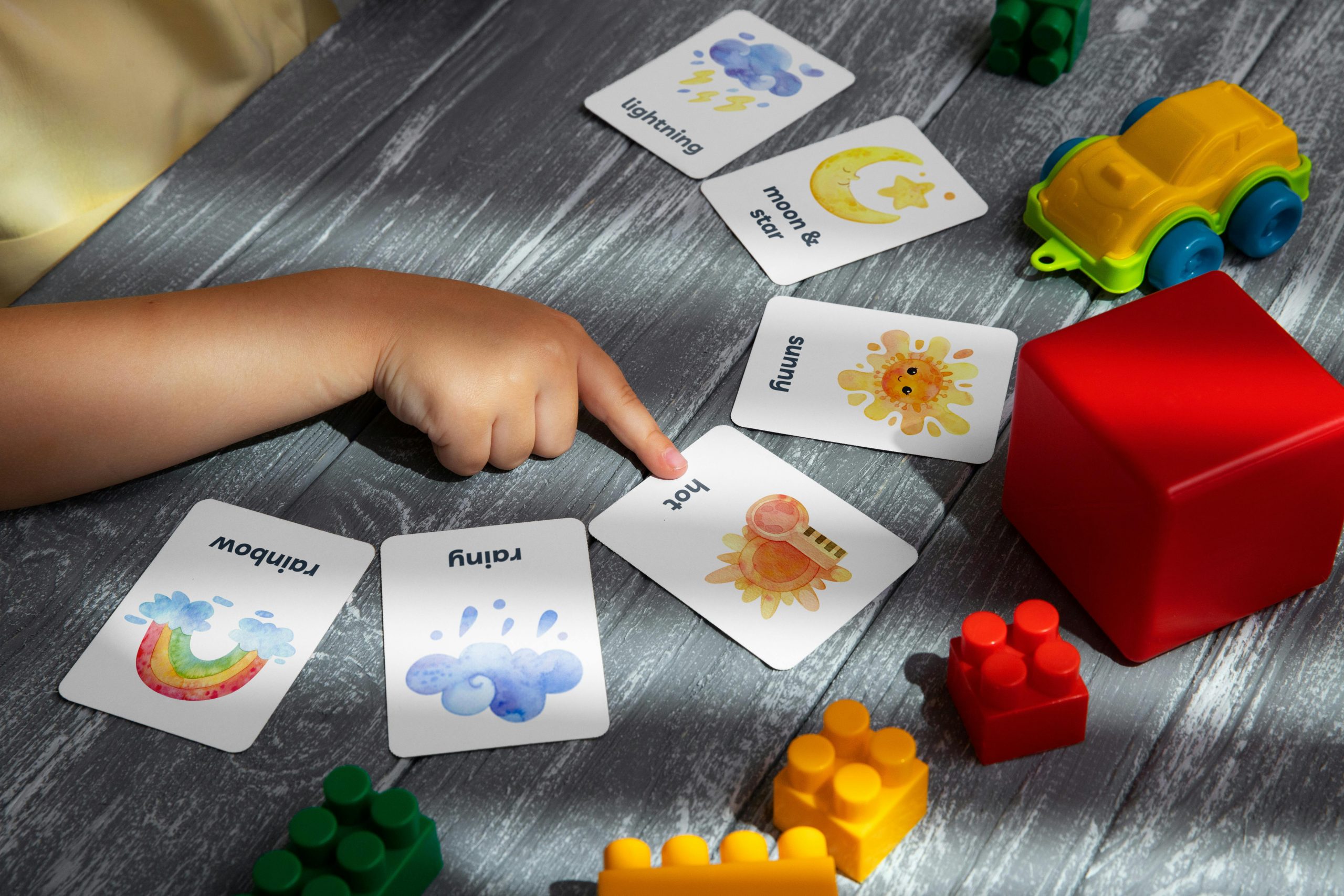
A break card is a visual way for a child to communicate that they need to step away from a task, sensory experience, or environment. Some children hand the card to an adult, others point to it, tap it, or show it on a choice board.
It becomes the child’s voice during moments when words may feel too difficult to access.
Many children we work with can successfully complete learning activities, transitions, and group time — but only if they feel safe, regulated, and supported. A break card helps them get there.
Why Break Cards Matter for Children With Autism
Children with autism often experience moments where their bodies or emotions need a pause.
Sensory overload, frustration, confusion, or even excitement can build until it becomes too much. Before a break card, the child may communicate this through crying, yelling, bolting, or shutting down. These behaviors aren’t misbehavior — they are communication.
A break card gives the child:
- A reliable, understandable way to signal discomfort
- A sense of control over their environment
- A tool that reduces anxiety by offering predictability
- A communication bridge that works even on hard days
When a child knows a break is available, they often engage better, learn longer, and feel more supported.
Teaching Break Requests With ABA Support
Learning to request a break doesn’t happen overnight. It happens through gentle teaching, modeling, and lots of encouragement.
In ABA therapy, we start by helping the child understand that the card has power — power to pause demands, power to move away, and power to self-regulate. Therapists pair the break card with real breaks so the child naturally connects the card with relief.
As the child becomes more confident, they begin to use the card independently. Some children hand it over enthusiastically. Others quietly tap it. Some will point to a visual schedule that includes a break icon.
The goal is not perfection. The goal is communication.
Over time, this simple tool becomes part of their day, just like any other self-advocacy skill. A child who used to melt down during transitions may become a child who picks up their break card, takes a breath, and walks calmly to a quiet space.
That’s progress.
That’s confidence.
That’s growth.
How Break Cards Reduce Frustration and Build Confidence
When a child understands that they are allowed to step away, something shifts inside them.
They feel safer.
They feel heard.
They feel more willing to try.
Break cards also reduce the pressure children sometimes feel during learning activities. Instead of pushing through discomfort until they escalate, they can pause early — preventing big emotional moments before they happen.
Parents often tell us that once their child learned the break card in therapy, tough moments at home became easier. Instead of screaming to escape a demand, the child now had a predictable, respectful way to ask for help. The entire household feels calmer when communication becomes clearer.
Using ABA Break Card Strategies at Home
Break cards are not just for therapy sessions — they can make a huge difference at home. Parents can introduce them during homework time, morning routines, chores, or outings.
For example, a child might:
- Use a break card during tooth brushing.
- Ask for a break while transitioning away from a preferred activity
- Request a moment alone when the house gets loud
- Use the card in a grocery store or restaurant to step outside briefly
The card becomes a safety net, especially during moments that used to feel overwhelming.
To make break cards successful at home:
- Keep them visible
- Respond consistently
- Keep breaks short and structured
- Celebrate the child’s communication every time
The more predictable the routine, the more confident the child becomes in using their break card.
Break Cards Help Build Lifelong Self-Advocacy Skills
One day, your child might not need a physical card anymore. They might grow into a teenager or adult who says:
“I need a moment.”
“Can we take a break?”
“I need a quiet space.”
The break card is simply the first step in learning that it is okay to ask for what they need — that taking breaks is healthy and allowed.
In ABA therapy, we teach not just skills for today, but skills that follow your child throughout their life. Self-advocacy is one of the most important skills your child will ever learn, and break cards help lay that foundation early.
Final Thoughts: Small Card, Big Impact
A break card in ABA therapy may be small, but the confidence it gives a child is immeasurable. It turns tough moments into teachable moments and frustration into communication. For families, it brings peace into routines that used to feel stressful. For children, it builds trust, regulation, and a greater sense of control.
Most importantly, a break card tells your child:
“You matter. Your feelings matter. And you are allowed to take care of yourself.”
If you’d like help introducing break cards at home or want to understand how they’re used during sessions, your On Target ABA team is always here to support you — one moment, one break, and one victory at a time.