🧠 AI Summary:
ABA therapy in public settings helps children with autism practice real-life skills outside the therapy room. While structured sessions build foundational abilities, true independence develops when children apply those skills in grocery stores, restaurants, parks, and community spaces. In this blog, we explain why generalization matters, how therapists safely teach public skills, and how parents can support real-world learning with confidence.
ABA Therapy in Public Settings: Teaching Real-World Skills That Last
When parents first begin ABA therapy, most sessions happen in a structured environment — either at a center, at home, or in a clinic setting. There’s a table. There are visuals. There are clear goals.
However, life doesn’t happen at a therapy table.
Life happens in grocery stores.
At playgrounds.
In parking lots.
At birthday parties.
In restaurants.
That’s why ABA therapy in public settings is such an important part of a child’s development.
Because the ultimate goal isn’t just learning skills — it’s using them in the real world.
Why Generalization Matters
In ABA therapy, we often talk about something called generalization. This simply means taking a learned skill and applying it in different environments.
For example:
A child might learn to request “help” during therapy.
But can they request help at school?
At the store?.
At grandma’s house?
If a skill only works in one room, it’s not fully functional yet.
ABA therapy in public settings bridges that gap. It helps children practice the same communication, safety, and social skills in real-life situations where unpredictability naturally occurs.
And that’s where true independence begins.
What Skills Are Taught in Public Settings?
Many parents are surprised by how many everyday skills can be intentionally taught outside the therapy room.
🛒 Grocery Store Skills
Therapists may work on:
- Walking safely beside an adult
- Waiting patiently in line
- Requesting preferred items appropriately
- Handling “no” when something isn’t purchased
- Practicing money exchange skills
These small moments build regulation and communication.
🍽 Restaurant Skills
Dining out can be overwhelming for many children. ABA therapy in public settings may target:
- Sitting appropriately
- Ordering food
- Waiting for meals
- Using utensils
- Accepting small delays
Even learning how to tolerate background noise can be part of the goal.
🚗 Safety in Parking Lots and Streets
Safety is one of the most critical real-world skills.
Public-based ABA sessions may teach:
- Holding hands in parking lots
- Responding immediately to “stop”
- Looking both ways before crossing
- Staying within a safe boundary
These lessons can literally save lives.
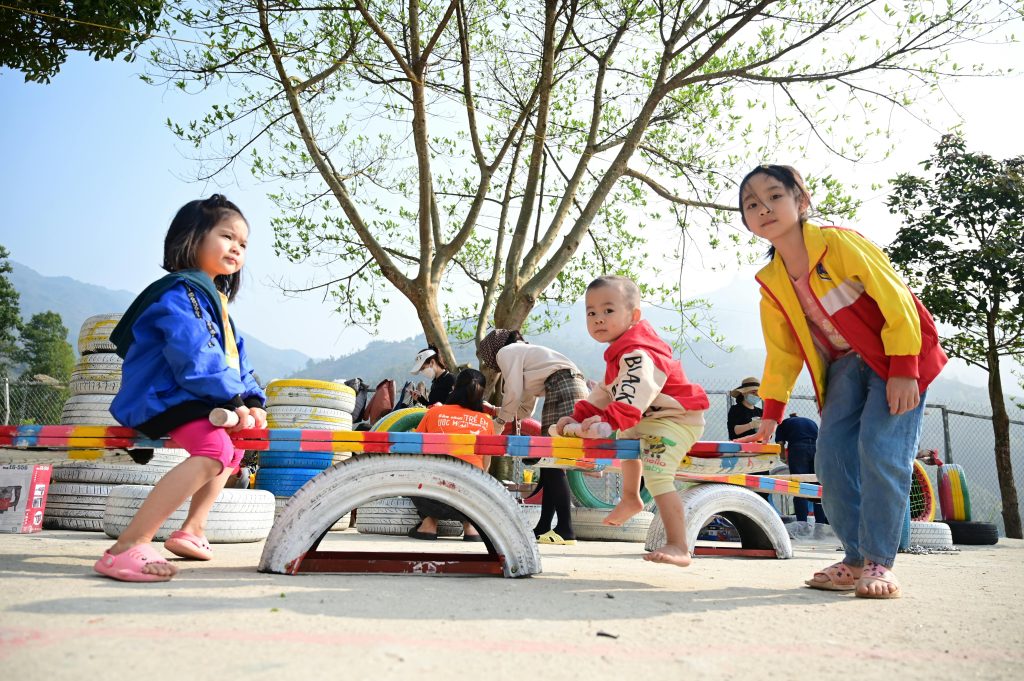
🎉 Social Skills at Parks or Playgrounds
Playgrounds are full of unpredictable social interactions.
ABA therapy in public settings may focus on:
- Initiating play
- Taking turns
- Sharing equipment
- Asking peers to join
- Handling social rejection appropriately
These real-world interactions build confidence and resilience.
How ABA Therapy in Public Settings Is Structured
Some parents imagine community-based sessions as unstructured outings. In reality, they are carefully planned and individualized.
Before going into the community, therapists:
- Identify specific goals
- Prepare visuals or supports
- Discuss expectations
- Review safety protocols
- Plan reinforcement strategies
Every outing has a purpose.
For example, if the goal is ordering food, the therapist may:
- Practice the script beforehand
- Use visual prompts
- Fade assistance gradually
- Reinforce independence
It may look natural — but it’s highly intentional.
Addressing Parent Concerns
It’s completely normal for parents to feel nervous about therapy in public settings.
Common concerns include:
“What if my child has a meltdown?”
“What if people stare?”
“What if it doesn’t go well?”
Here’s the important part: therapists expect learning moments.
If a child struggles, that doesn’t mean failure. It means there’s an opportunity to teach regulation and coping skills.
ABA therapy in public settings is not about perfection. It’s about practice.
And growth happens through practice.
Building Tolerance for Unexpected Situations
Unlike therapy rooms, public environments are unpredictable.
- The restaurant might be louder than expected.
- The line might be longer than usual.
- A preferred toy might be out of stock.
While these moments can trigger frustration, they also create valuable teaching opportunities.
Therapists may use strategies like:
- Visual schedules
- Countdown timers
- Coping strategies (deep breathing, requesting breaks)
- Reinforcement for flexibility
Over time, children build tolerance for change — a skill that carries into school and adulthood.
The Confidence Factor
There is something incredibly powerful about watching a child succeed in public.
Ordering independently.
Waiting calmly.
Walking safely.
Joining peers in play.
Each success builds self-esteem.
ABA therapy in public settings often becomes a turning point for families because it transforms daily stressors into growth opportunities.
Instead of avoiding outings, families begin to feel empowered.
How Parents Can Support Public Skill Practice
You don’t need a therapist present to practice real-world skills.
At home, you can:
- Role-play ordering food
- Practice waiting with small countdowns
- Use visuals before going to the store
- Reinforce safe walking behaviors
- Prepare your child for transitions in advance
Consistency matters. When home and therapy align, progress accelerates.
Even short community exposures — like a quick trip to the mailbox — can build confidence.
When Is a Child Ready for Community-Based ABA?
Not every child begins therapy in public settings immediately. Readiness depends on:
- Safety awareness
- Communication ability
- Regulation skills
- Individual goals
For some children, public practice begins early. For others, foundational skills are strengthened first.
The decision is always individualized.
Why This Approach Matters Long-Term
Ultimately, the purpose of ABA therapy in public settings is independence.
Independence in:
- Shopping
- Eating out
- Socializing
- Transportation
- Safety awareness
- Community participation
These are not small goals. They shape adulthood.
When children practice these skills early, they build lifelong habits.
A Gentle Reminder for Parents
If public outings currently feel stressful, you are not alone.
Many families limit outings because they feel unpredictable or overwhelming.
However, with structured support, gradual exposure, and consistent reinforcement, those same outings can become manageable — and even enjoyable.
ABA therapy in public settings is not about forcing a child into uncomfortable situations.
It’s about preparing them, supporting them, and celebrating progress — one step at a time.
Final Thoughts
Skills learned in therapy matter.
But skills used in the real world matter even more.
ABA therapy in public settings transforms learning into living. It bridges the gap between structured practice and everyday independence.
And when a child confidently orders their own meal, walks safely beside you in a parking lot, or joins peers in play — those are not just therapy wins.
Those are life wins.
At On Target ABA, our goal is never just progress inside four walls.
It’s progress wherever life happens. 💙