🧠 AI Summary:
Emotion cards in ABA therapy are a simple but powerful tool to help children with autism recognize, understand, and express feelings. This guide explains how parents can introduce emotion cards at home in a natural, supportive way. You’ll learn step-by-step strategies, common mistakes to avoid, and how to turn everyday moments into opportunities for emotional growth.
Emotion Cards in ABA Therapy: How Parents Can Introduce Them at Home
Understanding emotions is not always easy for children with autism. While some children may feel emotions deeply, they may struggle to identify what those feelings are called. Others may find it difficult to read facial expressions or recognize how someone else feels. As a result, frustration, meltdowns, or withdrawal can happen simply because a child cannot express what is going on inside.
That is where emotion cards in ABA therapy can make a meaningful difference.
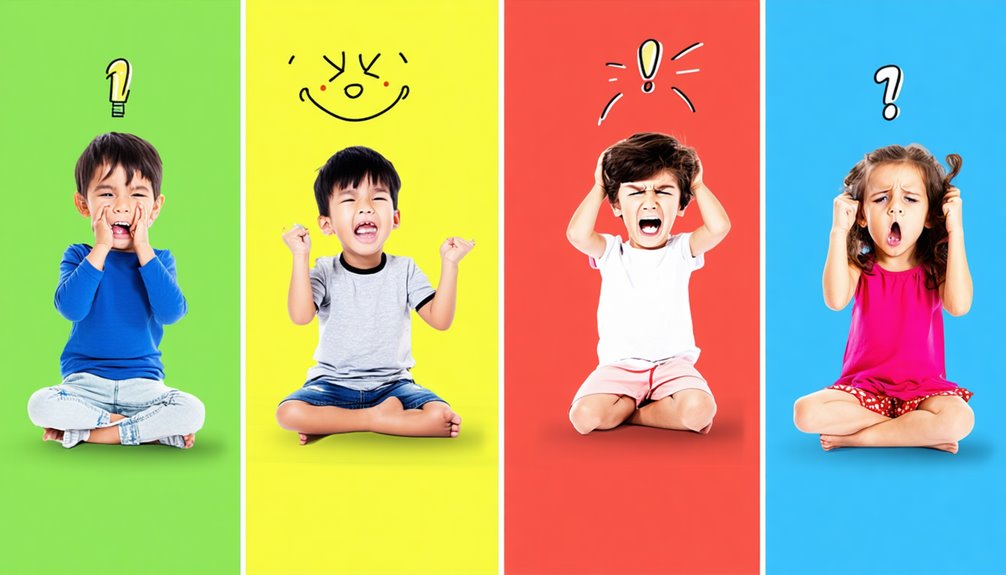
Emotion cards provide a clear, visual way to teach feelings. They help children match facial expressions to words, connect situations to emotions, and eventually learn to communicate how they feel. Most importantly, when introduced gently and consistently, they build emotional awareness in a way that feels safe and structured.
If you are a parent or guardian wondering how to use emotion cards at home, this guide will walk you through it step by step.
What Are Emotion Cards in ABA Therapy?
Emotion cards in ABA therapy are visual supports that show different facial expressions paired with emotion words. For example, a card might show a smiling face labeled “happy,” or a face with tears labeled “sad.”
In ABA therapy, visuals are often used because many children with autism process information more easily when they can see it. Emotion cards break down abstract concepts like “frustration” or “disappointment” into something concrete and understandable.
Although therapists may use emotion cards during structured sessions, parents can absolutely use them at home too. In fact, everyday life provides some of the best teaching moments.
How Why Emotion Cards Matter for Children with Autism
Emotional understanding is the foundation of social skills. When a child can recognize emotions, they are better able to:
- Communicate their needs
- Manage frustration
- Build friendships
- Develop empathy
- Reduce behavior driven by emotional confusion
Without this skill, a child might scream instead of saying “I’m mad,” or withdraw instead of saying “I feel nervous.”
Emotion cards in ABA therapy create a bridge between feelings and language. Over time, they help children move from reacting to understanding.
How to Introduce Emotion Cards at Home
Introducing emotion cards does not need to feel formal or overwhelming. In fact, the more natural you make it, the better.
1. Start Simple
Begin with just two or three basic emotions:
- Happy
- Sad
- Mad
Avoid introducing too many feelings at once. Children learn best when concepts are broken down into small, manageable steps.
Sit with your child and show one card at a time. Say the emotion clearly and point to the face.
“This is happy. Happy means smiling.”
Keep it short and positive.
2. Model the Emotion Yourself
Children learn by watching you. After showing the card, make the facial expression.
“This is mad.”
Then show a pretend mad face.
Even exaggerating the expression slightly can help your child see the difference between emotions.
When using emotion cards in ABA therapy, modeling is essential. It gives the child a real-life example to match the visual.
3. Use Real-Life Moments
The most powerful teaching happens during everyday situations.
If your child is laughing, gently bring out the “happy” card and say:
“You’re smiling! That’s happy.”
If they drop a toy and look upset:
“That looks like sad.”
Connecting the card to real experiences strengthens understanding. Instead of learning emotions as flashcards, they begin to understand them as part of daily life.
Teaching Emotion Recognition Step by Step
Emotion cards in ABA therapy are typically taught using small, repeated steps. Here is how that might look at home.
Step 1: Labeling
You label the emotion for your child.
“This is happy.”
Step 2: Matching
Place two cards on the table and ask:
“Show me happy.”
If your child selects correctly, provide praise:
“Yes! That’s happy!”
Positive reinforcement builds confidence.
Step 3: Identifying in Others
Once your child understands the basic emotion cards, start pointing out feelings in books, TV shows, or family members.
“How does she feel?”
This helps expand emotional understanding beyond just the cards.
Step 4: Expressing Their Own Feelings
Eventually, encourage your child to use the cards to communicate.
“Are you feeling mad or sad?”
You can even keep a small emotion board accessible throughout the day.
How to Respond When Your Child Uses an Emotion Card
If your child hands you the “mad” card, that is a big step. It means they are trying to communicate instead of acting out.
Respond calmly and positively.
“You’re feeling mad. Thank you for telling me.”
Then help them problem-solve.
This response reinforces communication. Over time, children learn that expressing feelings leads to support, not punishment.
Expanding Beyond Basic Emotions
After your child is comfortable with simple emotions, you can slowly introduce more nuanced feelings like:
- Frustrated
- Excited
- Nervous
- Proud
- Disappointed
However, move gradually. Emotion cards in ABA therapy are most effective when layered thoughtfully.
You might also add situational teaching:
“You feel frustrated when the puzzle is hard.”
This helps your child connect emotions to triggers.
Common Mistakes to Avoid
Parents often have great intentions but may unknowingly make things harder. Here are a few things to watch for.
Introducing Too Many Emotions at Once
Start small. Mastery of basic emotions builds the foundation.
Quizzing Instead of Teaching
Avoid turning it into a test. If your child struggles, model again rather than saying “No.”
Ignoring Emotional Attempts
If your child uses a card, even imperfectly, acknowledge it. Emotional communication should always be reinforced.
Using Emotion Cards Only During Calm Moments
While calm practice is helpful, real progress happens when you use emotion cards during real emotional experiences.
How Emotion Cards Help Reduce Meltdowns
Many behaviors stem from frustration or confusion. When children lack the words to describe how they feel, behavior becomes the communication.
Emotion cards in ABA therapy give children another option.
Instead of throwing toys, they can hand you the “mad” card. Instead of shutting down, they can point to “sad.”
Over time, this reduces emotional intensity because your child feels understood.
Making Emotion Learning Fun
Emotion learning does not have to feel clinical. You can:
- Play “emotion charades”
- Use mirrors to practice facial expressions
- Draw different feeling faces
- Pair emotion cards with storybooks
The more natural and playful the learning feels, the more your child will engage.
When to Seek Support
If your child struggles significantly with emotional regulation or expression, working with an ABA provider can help. A Board Certified Behavior Analyst (BCBA) can design a structured plan using emotion cards in ABA therapy and tailor it to your child’s needs.
At On Target ABA, we help families build these skills step by step in both center-based and home-based settings. We also guide parents on how to continue the learning at home so progress feels consistent and supportive.
Final Thoughts: Small Steps Lead to Big Growth
Teaching emotions is not about perfection. It is about progress.
At first, your child may only recognize “happy.” Then maybe “mad.” Then one day, they might say, “I’m frustrated.”
That moment matters.
Emotion cards in ABA therapy are not just tools. They are bridges — bridges between feelings and words, between confusion and clarity, between behavior and communication.
And with patience, repetition, and encouragement, those bridges become pathways toward independence and emotional growth.
You are not just teaching emotions.
You are teaching understanding.
And that is powerful. 💛