
🧠 AI Summary:
Confidence helps children with autism explore their world, try new things, and communicate more freely. This blog explains how ABA therapy builds confidence through independence training, positive reinforcement, emotional regulation, play-based learning, and gentle exposure to new experiences. Parents will learn what confidence looks like, how to support it at home, and how to recognize progress—even when it appears subtle.
Building Confidence in Children With Autism: Small Steps That Lead to Big Growth
Confidence is not something children simply “have” or “don’t have.” It grows over time—through encouragement, practice, safety, and meaningful successes. For children with autism, confidence often develops in quiet, beautiful ways that parents might not notice right away: a longer moment of eye contact, a new sound, a tiny risk taken during play, or a small response to a social cue.
These small moments matter deeply.
At On Target ABA, one of the most important goals of therapy is helping children feel capable, brave, and proud. Confidence fuels learning, communication, independence, and emotional regulation. It gives children the courage to explore and the belief that they can try new things—even when it feels hard.
Let’s walk through how ABA therapy builds confidence and how parents can support that growth at home.
What Confidence Really Means for a Child With Autism
Confidence looks different from child to child. For one child, confidence may look like trying a new food. For another, it may be raising their hand in circle time. For another, it might be playing beside a peer for the first time without fear.
Confidence for a child with autism often includes:
- trusting themselves
- trusting others
- feeling safe in new environments
- believing they can understand and be understood
- handling small challenges without shutting down
- feeling comfortable taking risks
Confidence is deeply connected to emotional regulation, communication, sensory comfort, and independence. When one area grows, the others often follow.
How ABA Helps Build Confidence Step by Step
ABA therapy is uniquely suited to helping children build confidence because it breaks learning into manageable steps and celebrates each success. Instead of saying, “Just try harder,” ABA meets children exactly where they are.
Here’s how it works:
1. Building Success Through Small, Achievable Steps
Confidence grows when children experience success—real, tangible success they can feel proud of. ABA uses a strategy called task analysis, breaking skills into tiny pieces.
Instead of expecting a child to complete a full routine, we start with one step they can do.
Success leads to pride.
Pride leads to confidence.
Confidence leads to independence.
For example, instead of asking a child to clean up an entire room, we might start with:
“Put one block in the bin.”
And celebrate that!
Small successes create big momentum.
2. Positive Reinforcement Strengthens Confidence
In ABA, reinforcement isn’t bribery—it’s encouragement. It’s the recognition that children try harder when they feel valued and supported.
Reinforcement may be:
- praise
- a hug
- a favorite toy
- a break
- bubbles
- a preferred activity
When a child feels celebrated, they feel more willing to try again.
Confidence comes from feeling seen.
3. Encouraging Communication in All Forms
Communication is one of the strongest predictors of confidence. Children feel more secure when they know they can express:
- wants
- needs
- dislikes
- ideas
- emotions
ABA therapists support speech, gestures, PECS, AAC devices, signs—any form of communication that works for the child.
Every successful communication attempt builds confidence:
- “more”
- “help”
- pointing
- holding up a picture
- pressing a button on a device
Communication is empowerment.
4. Supporting Flexible Thinking Through Play
Many autistic children want to connect with peers but feel unsure how. ABA therapists create gentle, supportive social opportunities:
- turn-taking games
- parallel play
- imitation play
- group sensory activities
- shared movement or music tasks
Social confidence grows slowly but beautifully when children feel safe and respected in the process.
5. Supporting Emotional Regulation
Confidence cannot grow when emotions feel overwhelming. ABA helps children learn:
- coping tools
- breathing techniques
- sensory regulation
- break requests
- early signs of overwhelm
A regulated child becomes a confident child because they feel more in control of their world.
6. Encouraging Flexible Thinking Through Play
Play helps confidence blossom. During play-based ABA, children practice:
- trying new things
- accepting changes
- problem-solving
- building resilience after setbacks
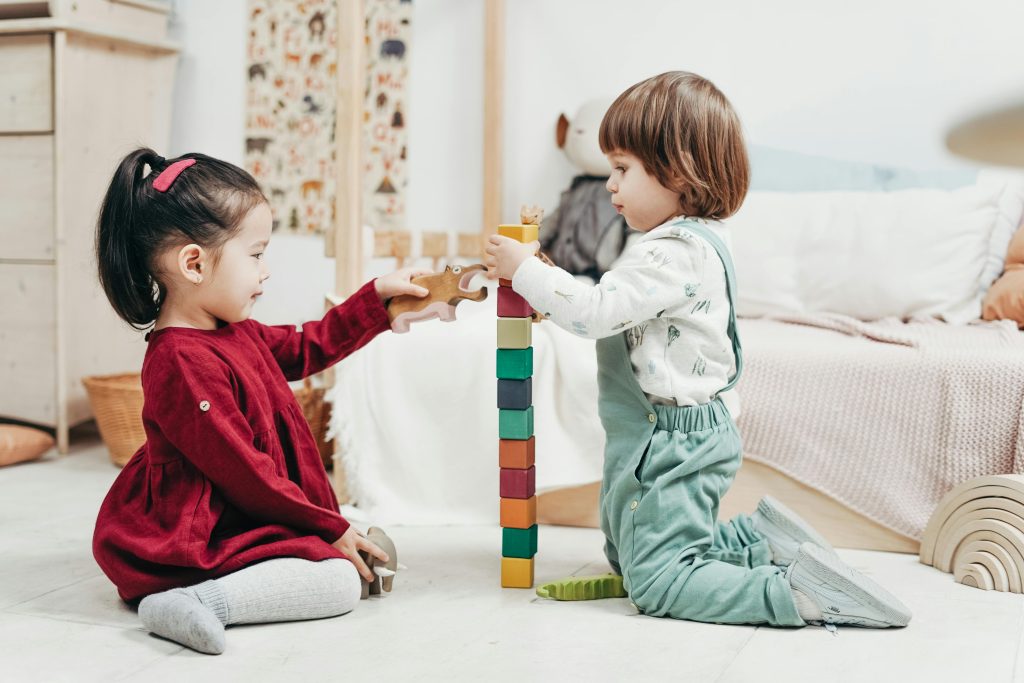
For example, when a block tower falls, the therapist models calm reactions:
“Oh no, it fell! We can try again!”
Children internalize these emotional skills and carry them into everyday life.
7. Celebrating Strengths, Not Just Skills
Confidence grows when children feel valued for who they are—not just what they can do. ABA therapists look for strengths such as:
- curiosity
- humor
- creativity
- attention to detail
- memory
- persistence
- kindness
When children hear encouragement based on strengths, they see themselves as capable learners.
How Parents Can Support Confidence at Home
Confidence grows fastest when families and therapists work together.
Here are gentle ways to strengthen confidence daily:
1. Celebrate small wins
Even the tiniest progress deserves recognition.
2. Offer choices
Giving your child control builds independence.
3. Use encouraging language
Instead of “good job,” try:
“I love how hard you tried.”
“That was brave.”
“You figured it out!”
4. Allow safe struggles
Struggling is part of confidence-building.
You can be near without taking over.
5. Model flexibility
Show your child that changes can be okay.
6. Create predictable routines
Predictability gives children the security they need to try new things.
7. Encourage independence in daily routines
Let your child help with dressing, brushing teeth, feeding pets, or simple chores — one step at a time.
How to Recognize Confidence Growing Over Time
Progress doesn’t always shout. Sometimes it whispers.
Confidence may look like:
- fewer avoidance behaviors
- trying a new toy
- imitating a peer
- making a new sound
- handling “no” more gracefully
- staying at an activity longer
- making eye contact more often
- using communication tools without prompts
- showing curiosity instead of fear
These quiet changes build a foundation for bigger milestones later.
Final Thoughts: Confidence Is Built Through Love, Patience, and Support
Every child deserves to feel capable.
Every child deserves to feel proud of themselves.
Every child deserves to feel understood.
At On Target ABA, confidence isn’t just a goal—it’s a philosophy. Our therapists work hand-in-hand with families to help children:
- discover their strengths
- explore their world with joy
- build independence
- express themselves
- celebrate their progress
Confidence is not created overnight. But step by step, moment by moment, your child will grow into the strongest version of themselves—with guidance, patience, and a team cheering them on.
And we’re honored to be part of that journey.