🧠 AI Summary:
Play-based ABA therapy uses engaging, joyful activities—like bubbles, swings, pretend play, and sensory exploration—to teach communication, social interaction, attention, and emotional regulation. This blog explains why play is such a powerful learning tool for children with autism, how therapists embed goals into fun, everyday activities, and how parents can tell whether play-based ABA is helping their child grow. Progress often appears in subtle but meaningful ways, such as increased engagement, calmer transitions, or more spontaneous communication.
How Play-Based ABA Supports Real-World Learning
When parents peek into an ABA session, they often notice something surprising:
Their child is playing.
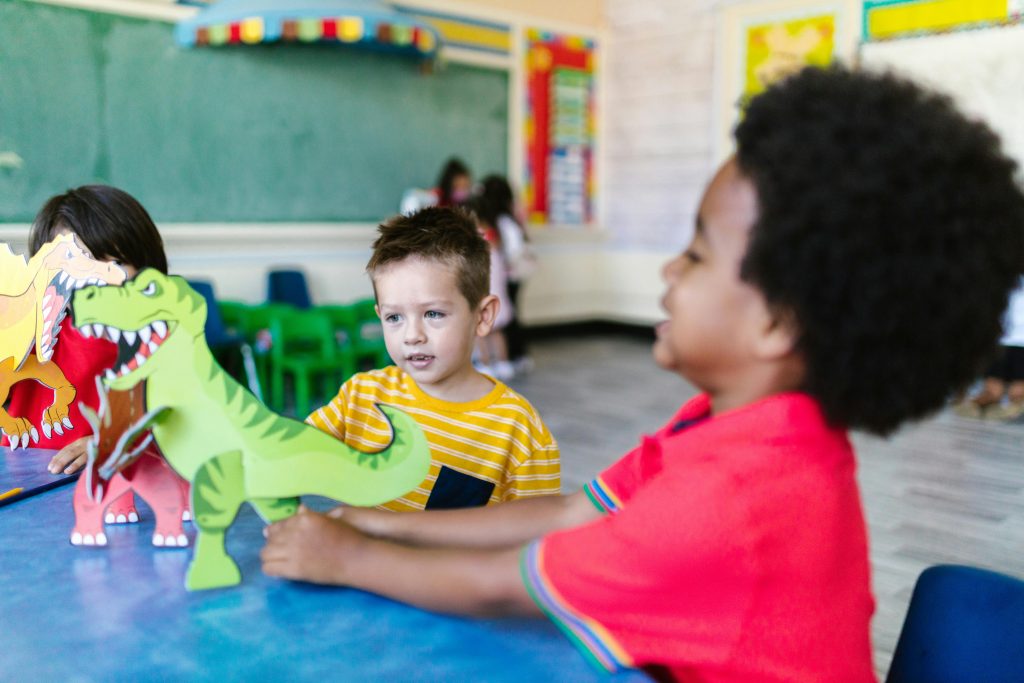
Bubbles float in the air. Toy food is being served on a pretend kitchen stove. A therapist is laughing while running in a circle during a chase game. A child is scooping rice or paint with a big smile.
And naturally, parents wonder:
“Is this really therapy?”
“How does this help my child communicate, socialize, or regulate?”
These questions are not only valid—they’re important. At On Target ABA, we want families to understand why play is one of the most powerful tools in modern autism therapy.
Play-based ABA therapy isn’t “just playing.”
It’s a purposeful method of teaching children through joy, connection, and meaningful engagement. It works because it meets children exactly where they are—motivated, comfortable, curious, and ready to learn.
Let’s walk through what play-based ABA truly means, why it works, what it looks like in real sessions, and how you can know your child is making progress.
Why Play Works: The Science Behind Play-Based ABA
Play is the natural language of childhood. It’s how children explore the world, build relationships, and make sense of ideas and emotions. For children with autism, play is even more essential because it creates a bridge between learning and comfort.
When a child is engaged in play, three important things happen:
1. Their motivation increases
Children are more willing to learn when activities feel enjoyable and safe. Play creates natural motivation—something ABA therapists call “reinforcement.” Instead of forcing a child to practice skills, we use activities they already love to invite learning.
2. Their brain is more receptive to learning
Play lowers stress and builds regulation. A regulated child can:
- pay attention longer
- communicate more
- tolerate challenges
- engage socially
- transition more smoothly
Neuroscience shows that learning sticks better when children feel emotionally safe.
3. The relationship becomes stronger
Shared joy builds trust.
Trust builds engagement.
Engagement builds communication and skills.
In play-based ABA therapy, the relationship between therapist and child becomes the foundation for learning—not compliance, pressure, or demand.
What Play-Based ABA Looks Like in Real Sessions
Every play moment has a purpose, even if it looks simple. Therapists choose activities strategically based on your child’s goals, sensory needs, and learning style.
Here are examples of how goals are taught during play:
Bubbles
Children love bubbles—and bubbles encourage:
- eye contact (“Look!”)
- requesting (“more bubbles”)
- labeling (“pop!”)
- joint attention (both watching the bubbles together)
- waiting (bursting bubbles one at a time)
Pretend Play
Pretend kitchen, doctor kits, superheroes, or dolls help develop:
- imagination
- flexible thinking
- social turn-taking
- following multi-step instructions
- expressive language (“I’m cooking eggs!”)
Swings and Movement Play
Movement play teaches:
- communication (“go,” “stop,” “again”)
- regulation (movement helps many children focus)
- transitions
- shared enjoyment
- impulse control
Sensory Play
Water play, shaving cream, sand, slime, or play dough help children:
- tolerate textures
- regulate anxiety
- build fine motor skills
- practice turn-taking
- communicate requests
Sensory activities also help reduce challenging behaviors triggered by overwhelm.
Building Toys, Blocks, Puzzles
These classic activities support:
- problem-solving
- perseverance
- following instructions
- collaboration
- emotional regulation when things collapse or change
Every play-based ABA moment is both fun and functional. It may look like play, but underneath, your child is growing in core developmental areas.
How ABA Therapists Turn Play Into Learning
Play-based ABA therapy is not random or unstructured. Therapists intentionally embed strategies into play to target your child’s goals.
This includes:
Modeling
The therapist demonstrates language, play skills, or coping strategies the child can imitate.
Prompting
The therapist gently helps the child engage or communicate—never with force, always with support.
Natural reinforcement
The child’s preferred activity reinforces learning naturally (“You said ‘go’, so I’ll push the swing!”).
Shaping
Small attempts are rewarded—leading to stronger skills over time.
Generalization
Skills learned in play become easier to use in daily life because play feels natural, not rehearsed.
This is why play-based ABA leads to faster, more meaningful progress.
How to Know Your Child Is Making Progress in Play-Based ABA
Parents often expect progress to look like:
- more words
- more eye contact
- fewer meltdowns
And while these are important indicators, progress often appears in much subtler ways first.
Here are signs your child is growing:
1. More Engagement
Your child may look at the therapist more often, participate longer, or smile more.
These moments show increasing comfort and trust.
2. Increased Flexibility
Maybe your child can tolerate small changes in routines during play—like switching colors or trying a new toy.
This is huge progress.
3. Clearer Communication
Your child may:
- use more gestures
- point more
- imitate sounds
- use PECS or AAC
- attempt more spoken words
Play brings communication out naturally.
4. Fewer Emotional Spikes
If your child recovers from frustration faster or stays calmer during transitions, play-based ABA is helping regulate emotions.
5. Trying New Things
Children with autism often play in repetitive ways. When they explore a new toy, category of play, or social interaction, it signals developmental growth.
6. Independence Begins to Emerge
Your child may start initiating play, choosing toys, or completing steps without prompts.
This builds long-term confidence.
7. Home Life Improves
Parents notice:
- easier outings
- more communication
- calmer evenings
- more joyful engagement
Changes at home reflect progress in therapy.
How You Can Support Play-Based ABA at Home
You don’t need therapy tools. You just need connection.
Try:
- following your child’s lead
- narrating play
- practicing turn-taking
- modeling simple language
- celebrating small attempts
- creating moments of joy
Your presence is the most powerful reinforcement.
Final Thoughts
Play-based ABA therapy works because it honors the way children learn—through joy, curiosity, movement, imagination, and connection. It supports:
- communication
- social skills
- emotional regulation
- independence
- confidence
- relationships
When learning feels joyful, progress grows naturally.
At On Target ABA, play isn’t a break from therapy.
Play is the heart of therapy.