🧠 AI Summary:
This blog explores the relationship between physical fitness and autism, explaining why movement is essential for sensory regulation, communication, behavior, motor development, social skills, and emotional well-being. Parents learn simple, practical ways to incorporate movement at home and how ABA therapy uses fitness-based activities to improve learning, engagement, and confidence.
Physical Fitness and Autism: How Movement Supports the Whole Child
Many families focus on communication therapy, social skills, and emotional regulation — all incredibly important. But one area that often gets overlooked is physical fitness, even though it supports nearly every part of a child’s development.
For autistic children, movement is much more than exercise.
It’s regulation.
It’s communication.
It’s connection.
It’s joy.
At On Target ABA, we see every day how physical fitness helps children feel calmer, more confident, and more ready to learn. When we understand the connection between physical fitness and autism, we give children an additional pathway to growth.
Why Physical Fitness Matters for Autistic Children
Research shows that autistic children benefit from physical activity in unique and powerful ways.
Movement helps regulate the nervous system
Many children with autism experience sensory overload or sensory-seeking behaviors. Movement gives the brain the input it needs to feel organized and in control.
Jumping, climbing, stretching, swinging, or pushing heavy objects can help reduce anxiety and support calmness throughout the day.
Exercise reduces challenging behaviors
Often, what we call “behavior” is actually dysregulation, discomfort, or excess energy. Physical fitness releases tension, boosts endorphins, and helps children express emotions safely.
Motor skills improve — and confidence grows
Some children with autism struggle with motor planning, balance, or coordination. Physical activity strengthens the body and improves everyday functional skills like walking, climbing stairs, and using playground equipment.
When children develop their motor skills, they often develop confidence right alongside them.
How Physical Fitness Supports Learning in ABA Therapy
In ABA therapy, movement isn’t an “extra” — it’s part of the learning process.
When a child’s body is regulated through physical activity, their brain becomes more available for:
- Communication
- Attention
- Social engagement
- Problem-solving
- Emotional expression
Children learn best when their bodies feel good.
A Helpful Tool for ABA Therapy and Learning Through Play
Many ABA therapists use dolls and figurines to help children practice:
- Communication
- Emotion recognition
- Social behavior
- Turn-taking
- Self-advocacy
- Problem-solving
An autism Barbie can be a gentle, age-appropriate way to model:
- Asking for a break
- Using sensory supports
- Handling overwhelming situations
- Self-calming
- Trying new environments
- Expressing needs through AAC
Children often feel more willing to participate when they recognize themselves in the character — or recognize real-life tools they use.
That’s why our sessions often include movement breaks, obstacle courses, stretching routines, or sensory-motor activities.
Therapists use fitness-based activities to:
- Reinforce positive behavior
- Teach following directions
- Model social skills through play
- Build frustration tolerance
- Reduce overwhelm during transitions
Movement turns learning into something exciting, achievable, and fun.
What Physical Fitness Can Look Like for Autistic Children
Physical fitness does not have to mean organized sports or traditional workouts. It can be joyful, creative, simple, and woven into your daily routine.
Outdoor Activities
- Running on grass
- Riding a scooter or bike
- Climbing playground structures
- Playing tag
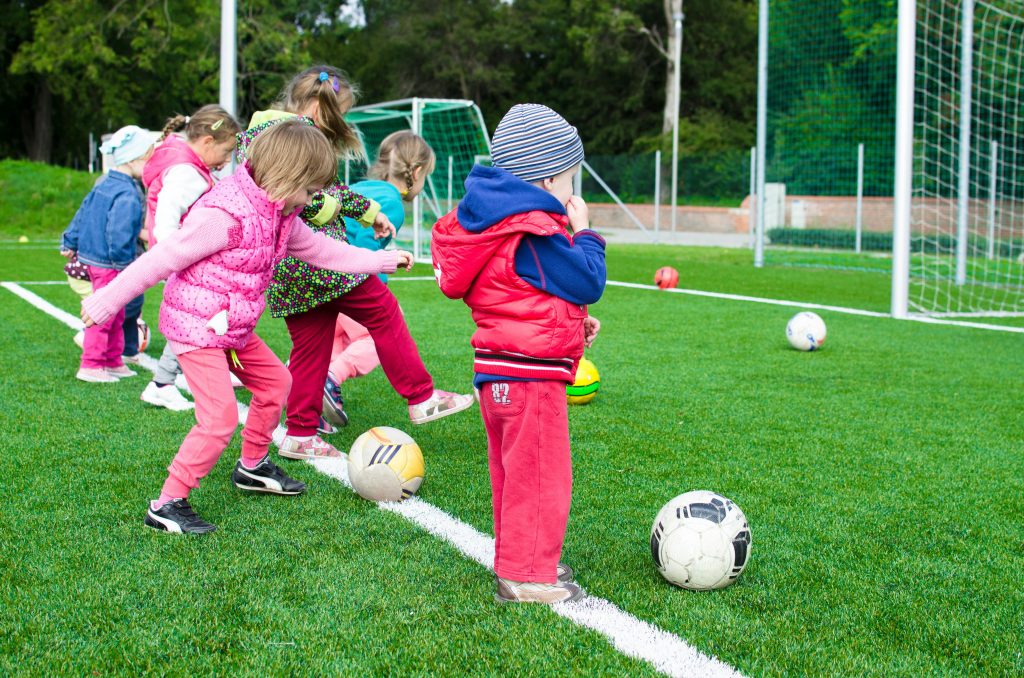
- Throwing or kicking a ball
Fresh air plus movement is an incredible combination for regulation.
Indoor Movement
- Yoga poses or stretching
- Trampoline jumping
- Sensory obstacle courses
- Crawling through tunnels
- Dancing to favorite music
- Therapy ball exercises
These can be done in small spaces with big benefits.
Organized Fitness Options
Some children thrive in structured programs such as:
- Gymnastics
- Martial arts
- Swimming
- Adaptive sports teams
- Special Olympics
These sports offer routine, social interaction, and confidence-building experiences.
Movement Helps With Sleep — One of the Biggest Challenges
Many families share that their child struggles with falling asleep or staying asleep.
Physical fitness can help regulate melatonin cycles, reduce nighttime restlessness, and promote deeper sleep.
A well-moved body is often a well-rested body.
Better sleep means better behavior, better attention, and better learning — benefits that reach far beyond bedtime.
Making Fitness Part of Your Family Routine
Movement doesn’t need to be a big event. Small, predictable moments throughout the day create meaningful change.
Families often find success with:
- A morning stretch routine
- Movement breaks between tasks
- A walk after school
- Weekend park time
- Dancing before bedtime
- A 5-minute obstacle course in the living room
When fitness becomes part of everyday life, children naturally build resilience, strength, and self-confidence.
A Final Word: Movement Helps Children Thrive
Physical fitness and autism are deeply connected in ways that benefit the whole child — mind, body, and emotions.
Movement helps children:
- Regulate their energy
- Reduce anxiety
- Improve communication
- Strengthen motor skills
- Build social connections
- Sleep better
- Feel proud of their accomplishments
At On Target ABA, we encourage families to view fitness not as a task, but as an opportunity — a joyful, meaningful part of a child’s development.
Whether your child is climbing, stretching, jumping, swinging, or simply walking beside you, that movement is building a stronger, more confident future.