🧠 AI Summary:
This blog explores the impact of Mattel’s first Barbie with autism and why representation in toys matters deeply for children with autism and their families. Parents will learn how inclusive toys support social-emotional learning, build confidence, reduce stigma, and promote acceptance among peers. The blog also explains how ABA therapy can use representative toys to spark communication, play skills, and connection.
Why Representation Matters: What the New Autism Barbie Means for Our Children
When Mattel announced its first Barbie with autism, advocacy groups — and families everywhere — celebrated a powerful milestone. For many parents, this wasn’t just about a doll on a shelf. It was about authentic autism representation in toys, something long overdue and deeply meaningful.
Children learn so much about themselves and the world through play. When a child sees a doll that looks like them, moves like them, or represents their strengths and differences, something important happens:
They feel seen. They feel included. They feel proud of who they are.
And when peers see toys that represent neurodiversity, it normalizes differences and opens the door to understanding — not judgment.
This is why the autism Barbie matters.
This is why representation matters.
This is why families everywhere are talking about it.
A Toy That Reflects Real Children — And Real Experiences
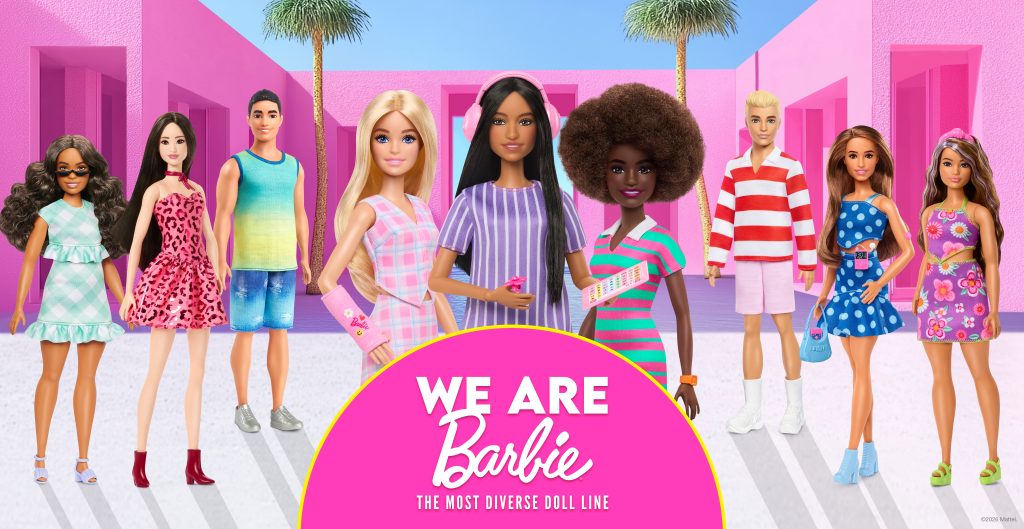
Mattel created this Barbie in collaboration with autism experts, autistic individuals, clinicians, and advocates. That collaboration ensured the doll was not “tokenism,” but a thoughtful, trauma-informed, respectful reflection of autistic traits and lived experiences.
Features include:
- A sensory-friendly outfit
- Noise-canceling headphones
- Communication aids
- A fidget device
- Calming accessories
For many children, these are not “extras.” They are part of daily life — and seeing them represented in a beloved toy brings comfort, validation, and pride.
How Inclusive Toys Support Emotional Development
Representation in toys affects far more than pretend play. For autistic children, inclusive toys can strengthen important developmental skills that tie directly into ABA therapy progress.
1. Emotional Validation
Children learn that their differences are not problems. They are simply part of who they are — and that identity is celebrated, not corrected.
2. Social Storytelling
Toys often serve as characters in social or pretend situations. A doll with sensory gear or communication tools can help children rehearse real-life interactions in a safe, playful way.
3. Peer Understanding
When neurotypical peers see autism represented, it normalizes the tools and behaviors they may see in classmates. A doll wearing noise-canceling headphones becomes “cool,” not confusing.
4. Reduced Stigma
Inclusion in mainstream toys signals to society that autistic people belong everywhere — in schools, in friendships, in families, and in the world.
These emotional benefits align beautifully with the goals we support daily through ABA therapy at On Target ABA.
A Helpful Tool for ABA Therapy and Learning Through Play
Many ABA therapists use dolls and figurines to help children practice:
- Communication
- Emotion recognition
- Social behavior
- Turn-taking
- Self-advocacy
- Problem-solving
An autism Barbie can be a gentle, age-appropriate way to model:
- Asking for a break
- Using sensory supports
- Handling overwhelming situations
- Self-calming
- Trying new environments
- Expressing needs through AAC
Children often feel more willing to participate when they recognize themselves in the character — or recognize real-life tools they use.
Representation makes therapy more relatable, which increases engagement, confidence, and progress.
Building Acceptance Among Peers and Families
One of the most powerful impacts of the autism Barbie is how it shifts the way siblings, friends, and community members view autism.
When toys reflect neurodiversity, children see inclusion as normal — not as something they must be “taught” later.
Imagine a sibling saying:
“Barbie wears headphones when things get loud. Just like my brother.”
Imagine a classmate saying:
“She uses a communication device like my friend at school.”
This is how acceptance grows — quietly, naturally, through everyday play.
For Parents: Representation Helps You, Too
Many parents of autistic children carry emotional weight — navigating supports, facing misunderstandings, advocating for their child, sometimes feeling isolated.
Seeing a mainstream brand celebrate autism can feel like a breath of fresh air.
It reminds families:
“You are not alone. Your child belongs.”
Representation in toys also opens gentle conversations with extended family or caregivers. A doll can help them understand sensory tools, communication differences, and emotional needs in a practical, relatable way.
A Step Toward a More Inclusive Future
Is a doll going to solve all challenges autistic children face? Of course not.
But representation is a starting point — a doorway to better understanding, more compassion, and more visibility.
For many families, this Barbie is more than a toy.
It’s a message.
A symbol.
A celebration.
It tells autistic children, “You deserve to be seen.”
It tells parents, “Your child belongs in every space.”
It tells society, “Autism is part of the world. And it makes the world richer.”
At On Target ABA, we believe deeply in the power of inclusion. Whether we’re teaching communication, building emotional regulation, helping families navigate care, or celebrating every child’s strengths, our mission remains the same:
Every child matters. Every story matters. Every representation matters.