
🧠 AI Summary:
Getting ready for the school bus can feel overwhelming for many children with autism. New noises, unfamiliar routines, and the fast pace of morning transitions can create stress for both kids and parents. In this blog, we explain how consistent routines, visual supports, practice sessions, and ABA-based strategies help children feel safe, confident, and prepared for riding the school bus. We also share On Target ABA’s approach to supporting transportation readiness across our Cleveland, Columbus, Worthington, and Utah centers. With the right preparation, bus time can become smoother, calmer, and even enjoyable for your child.
Helping Children With Autism Get Ready for the School Bus: An ABA Guide for Parents
For many families, the school bus symbolizes independence and growth. Yet for some children with autism, getting ready for the bus can feel overwhelming. There’s a lot happening at once — bright lights, loud engines, new faces, fast transitions, and a very specific timeline.
At On Target ABA, we support children through every part of their day, including routines that happen outside our centers. Transportation readiness is a meaningful life skill, and with the right strategies, children can learn to feel calm, confident, and prepared each morning.
Before jumping into strategies, let’s explore why the school bus can be challenging for children on the spectrum.
Why the School Bus Can Feel Overwhelming for Children With Autism
Every child experiences the world differently, but many autistic children share similar challenges around transportation:
- Sensory overload from noise, motion, smells, or crowded seating
- Unpredictability, especially when buses arrive early, late, or with substitute drivers
- Separate transitions from home → outdoors → bus → school
- Limited communication when a child can’t easily express discomfort or needs
- Difficulty with waiting, especially in the cold or early morning
- Fear of new environments or routines
Autism Speaks emphasizes that understanding these challenges — instead of minimizing them — is the first step toward supporting children on the bus.
When we break down the routine, practice it often, and prepare for sensory needs, children can succeed.
Creating a Predictable Morning Routine at Home
A predictable routine is one of the most effective ways to reduce morning stress. Many children feel calmer when they know what is coming next, and ABA therapy often includes procedures that mirror this structure.
At home, consider creating a consistent sequence such as:
- Wake up
- Bathroom
- Breakfast
- Get dressed
- Pack backpack
- Wait by the door
- Walk outside for the bus
When this pattern stays consistent, it helps children adjust easier. Visual schedules or simple picture checklists can make the routine more concrete, especially for children who thrive with visual information.
Morning routines don’t need to be rushed. When families build in a few extra minutes, transitions feel smoother for everyone.
Using Visual Supports to Prepare for the Bus
Visual supports are a powerful ABA tool, especially for transportation. Photos, drawings, or icons can show:
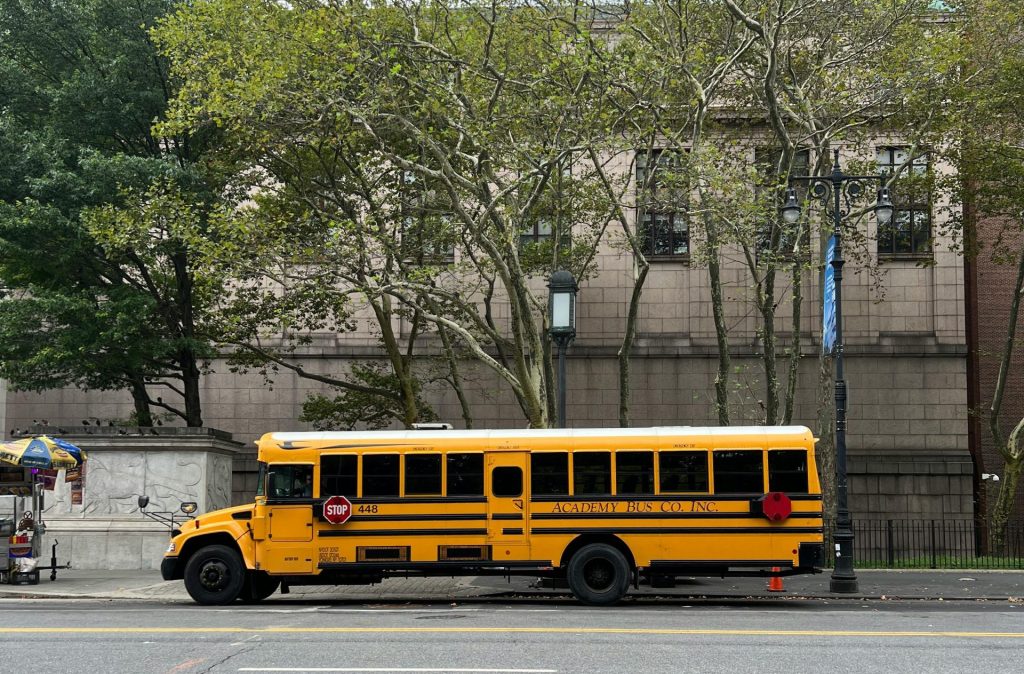
- what the school bus looks like
- who will help the child in the morning
- where the bus will arrive
- what will happen inside the bus
- the order of the morning routine
Some families even create small “bus storybooks” that describe the routine step-by-step. These social stories help children feel familiar with the process before it happens.
Autism Speaks notes that visual tools can significantly reduce anxiety because they make expectations clear. They also help children communicate when verbal language feels hard.
Practicing Bus-Related Skills Ahead of Time
Practice builds confidence. When children rehearse skills in a calm environment, they’re more prepared later.
Some helpful practice activities include:
- walking to the end of the driveway
- standing and waiting for the “bus” (even if it’s just a parent pretending)
- climbing steps
- buckling a seatbelt
- sitting in a designated spot
- listening to instructions like “wait,” “sit,” or “hands to self”
At On Target ABA, we practice similar routines when preparing children for community activities. The same process applies to school transportation — small steps first, then building gradually.
Supporting Sensory Needs Around the Bus Environment
Many sensory challenges happen before the child even gets on the bus. The cold air, bright lights, engine noise, vibrations, or crowded entryway can be overwhelming.
When we know these triggers, we can plan ahead.
A child might benefit from:
- noise-canceling headphones
- a preferred sensory fidget
- a familiar comfort item
- a weighted lap pad
- a visual countdown (“Two minutes until the bus”)
- standing a step back from the crowd until it’s time to board
Some children like walking onto the bus quickly; others prefer to wait and board last. That’s okay — sensory needs vary.
Preparing the Bus Staff and Driver
Communication between parents and the school transportation team is essential. Drivers and aides often appreciate knowing:
- how your child communicates
- what soothes them
- what triggers distress (loud noises, crowding, rushing, etc.)
- what supports help them stay calm
- how to recognize signs of dysregulation
Sharing this information helps the staff prepare the environment and respond gently.
If possible, visit the bus ahead of time. Meet the driver, look at the seats, and walk up the stairs together. Even a few minutes of exposure can make the real thing feel familiar and less intimidating.
Using ABA Strategies to Support Bus Readiness
ABA therapy is rooted in breaking skills into small, teachable steps. School bus preparation fits perfectly into this framework.
Here’s how ABA concepts help:
Task Analysis
We break the routine into tiny steps the child can learn one at a time — like walking to the door, holding the handrail, climbing the first step, and so on.
Positive Reinforcement
When a child completes a step (“You held my hand and waited—great job!”), praise and rewards motivate future success.
Prompting and Fading
We support the child as much as needed, then gradually let them take over the steps.
Generalization
Skills learned at home, like waiting or sitting safely, transfer to the school bus environment.
These methods help children build independence at a comfortable pace.
Building Communication Skills for Bus Routines
Communication doesn’t need to be verbal. The goal is helping children express needs and feelings during the transition.
Some children benefit from:
- picture cards (“help,” “stop,” “break”)
- simple phrases (“all done,” “my seat,” “quiet please”)
- gestures or signs
- AAC device shortcuts
When children can express themselves, their frustration decreases. It also builds trust — they learn that adults respond when they communicate.
Building Confidence Through Predictability and Support
What children want most is to feel safe, understood, and prepared. With consistent practice, visual tools, and gentle support, many children begin to enjoy the independence that the school bus brings.
Confidence grows naturally when children experience success.
How On Target ABA Supports Bus Readiness
Our centers in Cleveland, Columbus, Worthington, and Utah use individualized teaching strategies that mirror real-life routines.
Therapists help children build:
- flexibility with transitions
- comfort with new environments
- coping tools for sensory needs
- clear communication
- independence with daily routines
We also partner with families to create personalized morning strategies, visual supports, and practice plans that fit each child’s needs.
A Calmer, More Confident Start to the School Day
Getting ready for the school bus doesn’t have to feel overwhelming. With preparation, sensory supports, visual tools, and ABA guidance, your child can experience smoother mornings and greater independence.
Every family’s routine looks different — but with patience and consistency, progress happens.
If you’d like help building morning routines or supporting transportation readiness, our team at On Target ABA is here for you. Families can reach out to our centers in Cleveland, Columbus, Worthington, or Utah to learn more about our individualized therapy programs.