
🧠 AI Summary:
This blog helps parents teach autism independence skills at home using ABA strategies, structure, visual supports, routines, and confidence-building techniques. It covers how independence grows over time, why autistic children may struggle with daily living tasks, and how small, consistent steps can lead to major progress. The blog includes internal location links and external resources.
Helping Your Child Build Real Independence, One Small Step at a Time
As parents, one of the biggest hopes you may have for your child is independence — not all at once, not perfectly, but in little ways that give them confidence and make life easier for your family. Whether it’s dressing themselves, brushing their teeth, helping with simple chores, or becoming more responsible with daily routines, independence isn’t just a skill… it’s a lifelong gift.
Yet for many autistic children, independence can feel overwhelming. Daily living tasks involve sequencing, motor skills, sensory comfort, communication, patience, and problem-solving — all at once. That’s a lot for a developing brain.
The good news? Autism independence skills can be taught, strengthened, and celebrated one step at a time. And ABA therapy provides a clear, gentle roadmap for helping children move toward greater confidence and autonomy.
If you’ve ever wondered how to support independence at home, this blog is for you.
Why Independence Is Harder for Some Autistic Children
It’s completely normal for independence to develop more slowly in autistic children. The barriers often have nothing to do with ability and everything to do with how their brain processes the world.
A child may struggle with:
- Motor planning (“How do I do this step next?”)
- Sensory discomfort (clothing textures, toothpaste flavors, water temperature)
- Sequence memory (“What comes after putting on socks?”)
- Transitions (“I don’t want to stop what I’m doing”)
- Executive functioning
- Communication challenges
- Anxiety around trying new tasks
- Fear of mistakes or unexpected outcomes
When parents understand the “why,” it becomes easier to teach skills in a way that feels supportive — not stressful.
Foundations of Teaching Autism Independence Skills
Before introducing specific tasks, it helps to set the foundation for independence. This creates an environment where your child feels safe and capable.
1. Break Tasks Into Small, Manageable Steps
Children learn best when tasks are simplified. Instead of “Get dressed,” independence begins with:
- Put on socks
- Put on shirt
- Put on pants
- Pull up zipper
Each part becomes teachable and achievable. The smaller the steps, the more success your child will experience.
2. Use Visual Supports to Replace Verbal Pressure
Visuals take away the confusion and help your child follow routines more calmly. They support memory and reduce frustration.
You might use:
- Toothbrushing visual guides
- Morning routine charts
- Step-by-step dressing cards
- Bathroom visuals
Visual supports allow your child to succeed without feeling overwhelmed by instructions.
3. Build Independence Through Predictable Routines
A routine gives your child stability, safety, and confidence. When they know what to expect, tasks feel easier and less stressful.
A morning routine might become:
Wake up → Bathroom → Get dressed → Breakfast → Out the door
Over time, predictability builds independence naturally.
4. Reinforce Small Steps — Not Just the “Finished Job”
Children are more motivated when their efforts are recognized.
You can reinforce:
- Trying a new skill
- Completing one step
- Asking for help appropriately
- Staying calm
- Following a visual
Reinforcement is a powerful tool in teaching autism independence skills because it encourages progress at each stage — not perfection.
5. Model First, Then Fade Support
Many autistic children learn by watching first. Showing the task step-by-step provides clarity and reduces anxiety.
ABA uses “prompt fading,” meaning you gradually reduce help until your child does the task independently.
Autism Independence Skills Your Child Can Learn at Home
The goal isn’t to master everything at once. It’s to pick a few meaningful skills and build from there. Here are everyday areas where independence can grow naturally.
Dressing Skills
Start with easy tasks:
- Putting on socks
- Pulling up pants
- Choosing between two shirts
- Zipping or buttoning with hand-over-hand support
Introduce only one part at a time. When a child succeeds, confidence rises.
Hygiene Routines
Toothbrushing, washing hands, brushing hair — these skills build self-care independence.
You can make them easier by:
- Using visual steps
- Practicing in front of a mirror
- Offering sensory-friendly alternatives (toothpaste flavors, softer brushes)
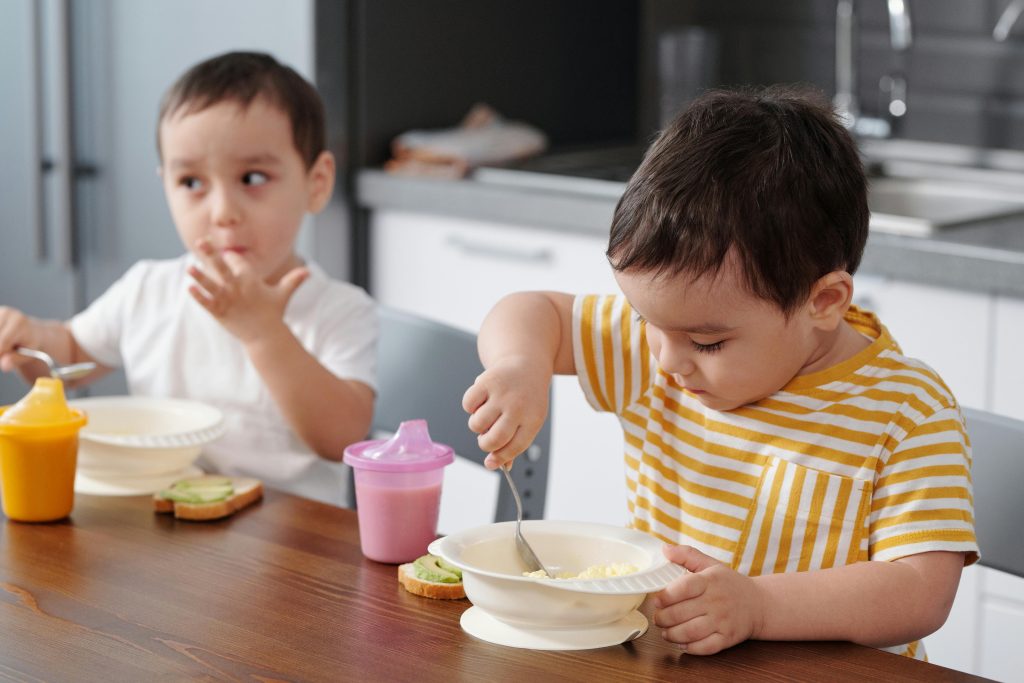
Mealtime Independence
Children can learn to:
- Open packages
- Use utensils
- Place dishes in the sink
- Pour water with a small pitcher
- Choose between two snacks
Each task teaches planning, coordination, and responsibility.
Chores & Household Tasks
Chores can be meaningful and fun. They also boost your child’s confidence tremendously.
Some great starter chores include:
- Feeding a pet
- Watering plants
- Putting toys in bins
- Wiping the table with a cloth
- Carrying laundry
These tasks make children feel capable and involved in family life.
Organization & Clean-Up
Clean-up becomes less overwhelming when items have predictable “homes.”
Labels, clear containers, and visual reminders help children understand where things belong.
This builds independence and reduces daily chaos.
ABA’s Role in Teaching Autism Independence Skills
ABA therapy provides the structure, reinforcement, and step-by-step teaching needed for independence to grow.
At On Target ABA, we support families across
with individualized programs that target independence goals.
ABA helps with:
- Breaking skills into teachable steps
- Creating visual routines
- Identifying motivators
- Reducing frustration and behaviors
- Teaching toileting, feeding, hygiene, and dressing
- Establishing home routines that stick
- Helping parents feel supported, not stressed
Independence is always the long-term goal — and every small step counts.
Final Thoughts
Independence doesn’t grow overnight — it grows through patience, repetition, modeling, and lots of love. Your child is capable of growing in ways you may not even realize yet. And you are capable of guiding them.
Remember, independence is a journey filled with celebration, connection, and small victories. With ABA support, visual tools, and intentional routines, your child can build skills that empower them for life.
You’re doing an amazing job — and we’re here to support your family every step of the way.