
🧠 AI Summary:
This blog provides parents with practical, compassionate strategies to help a child with autism prepare for and successfully navigate doctor visits. It covers sensory needs, communication tips, desensitization, visual supports, medical anxiety, behavioral strategies, and what parents can request from providers. The blog includes Autism Doctor Visit Tips in multiple sections and uses family-friendly examples and ABA-based guidance.
Caring for Your Child’s Health Shouldn’t Feel Overwhelming
Doctor appointments can be stressful for any child — but for a child with autism, they can feel especially challenging. New environments, sensory overload, unfamiliar people, bright lights, and unexpected physical touch can create fear or resistance. Many parents tell us they dread medical visits more than their children do.
The good news? With the right autism doctor visit tips, preparation tools, and support strategies, these appointments can become calmer, smoother, and even empowering for your child.
This blog will help you understand why doctor visits are difficult, how ABA-based preparation can help, and what steps you can take to make each appointment a success.
Why Doctor Visits Are Often Hard for Children With Autism
Children with autism experience the world differently — and medical visits touch nearly every challenge area at once:
- Sensory overload: Bright lights, smells, paper gowns, cold stethoscopes, noisy hallways
- Fear of the unknown: New people, unpredictable procedures
- Communication barriers: Difficulty expressing pain or fear
- Medical trauma from past experiences: Shots, procedures, long waits
- Loss of routine: Sudden transition into a new environment
- Difficulty tolerating physical touch: Being examined by unfamiliar people
- Emotional dysregulation: Feeling out of control
Understanding these challenges helps parents advocate better and apply the right autism doctor visit tips to support their child.
The CDC notes that gradual preparation and sensory accommodations significantly improve medical visit success for autistic children.
Autism Doctor Visit Tips to Prepare Before the Appointment
Preparation reduces anxiety and builds predictability — two things children with autism rely on deeply.
1. Use Social Stories
A social story explains step-by-step what will happen.
This is one of the most effective autism doctor visit tips because it increases emotional readiness.
Your story might include:
- “We will drive to the doctor.”
- “We will sit in a waiting room.”
- “The doctor will say hello.”
- “The doctor may look in my ears.”
You can even add real photos of your clinic or doctor’s office.
2. Practice Medical Play at Home
Turn health care into pretend play.
Try using:
- Toy stethoscopes
- Play doctor kits
- Bandages
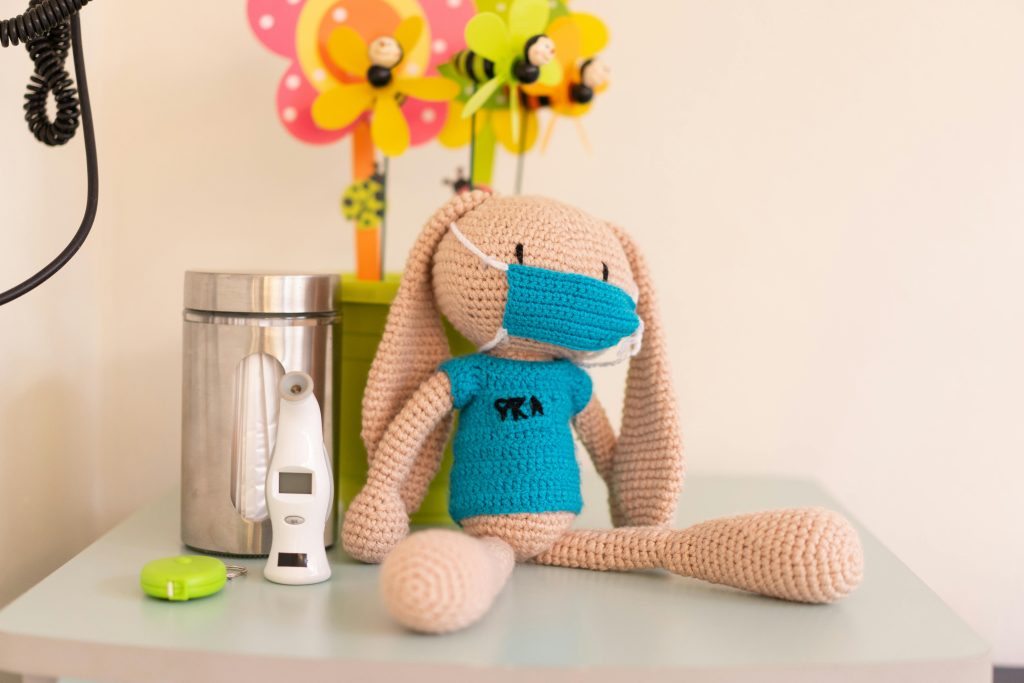
- Stuffed animals as “patients”
When your child practices “doctor steps” in a low-pressure way, their confidence grows.
3. Create a Visual Schedule
Visual schedules are one of the most powerful autism doctor visit tips because children can see what comes next.
Your schedule might include:
- Drive
- Check-in
- Wait
- Doctor room
- Exam
- Reward
Visuals reduce uncertainty and fear.
4. Build a Sensory Toolkit
Bring familiar sensory items so your child feels grounded.
Example items:
- Noise-reducing headphones
- Weighted lap pad
- Fidget toys
- Chewable jewelry
- Favorite blanket or stuffed animal
These tools help regulate the nervous system.
5. Pre-Teach Coping Skills
Before the appointment, practice calming strategies such as:
- Deep breathing
- Counting
- Squeezing a stress ball
- Using “I need a break” language
- Pointing to communication cards
Consistency builds confidence.
6. Reinforcement Planning
Let your child know a reward is coming.
Examples:
- “After the doctor, we will get ice cream.”
- “When the exam is done, you can play on your tablet.”
This ABA-based strategy helps children push through challenges.
Autism Doctor Visit Tips During the Appointment
Your presence and support matter more than anything else.
1. Advocate for Sensory Needs
Ask for:
- Dimmed lights
- A quiet waiting area
- A private room
- Reduced noise
- Fewer staff entering at once
Most providers are very willing to help when asked.
2. Use First–Then Language
This simple ABA tool helps reduce anxiety:
- “First the doctor looks in your ears, then tablet.”
- “First blood pressure, then sticker.”
It keeps expectations clear and manageable.
3. Keep Communication Calm & Minimal
Too many words can overwhelm a child, especially in unfamiliar places.
Short phrases work best:
- “Sit here.”
- “Look up.”
- “Almost done.”
4. Allow Breaks Whenever Possible
If your child becomes overwhelmed, pausing helps prevent escalation.
A brief break can completely reset the situation.
5. Use Distraction Techniques
During exams, offer a comforting distraction:
- Videos
- A favorite toy
- A sensory object
- Bubbles
- A simple game
Distraction reduces stress and increases cooperation.
6. Stay Calm Yourself
Your child feels your energy.
When you remain steady, they feel safe — even during difficult moments.
Autism Doctor Visit Tips for After the Appointment
Aftercare matters just as much as preparation.
1. Give Immediate Reinforcement
Praise success — even small steps.
- “You did amazing staying still!”
- “You were so brave!”
Positive reinforcement strengthens future cooperation.
2. Talk About What Happened
Review the visit:
- “The doctor looked in your ears.”
- “We got through it together.”
It helps children connect experiences comfortably.
3. Prepare for Next Time
You might ask your provider:
- “Can we skip the waiting room?”
- “Is there a sensory-friendly room?”
- “Can we pre-register to reduce waiting?”
Advocacy is a powerful part of these autism doctor visit tips.
How On Target ABA Supports Doctor Visit Success
Our team regularly supports families with medical visit preparation across all service areas:
We help parents build:
- Customized social stories
- Visual schedules
- Desensitization plans
- Sensory accommodations
- Coping strategies
- Reinforcement systems
You don’t have to navigate doctor visits alone — we’re here to support the whole family.