🧠 AI Summary:
This guide explainhow ABA therapy for communication empowers children with autism to express themselves. Parents will learn how ABA teaches speech, gestures, and social language through play, reinforcement, and collaboration with families and speech therapists.
Communication: The Heart of Connection
Every parent dreams of hearing their child say, “I love you.” For families of children with autism, that milestone can feel far away — but it’s absolutely within reach.
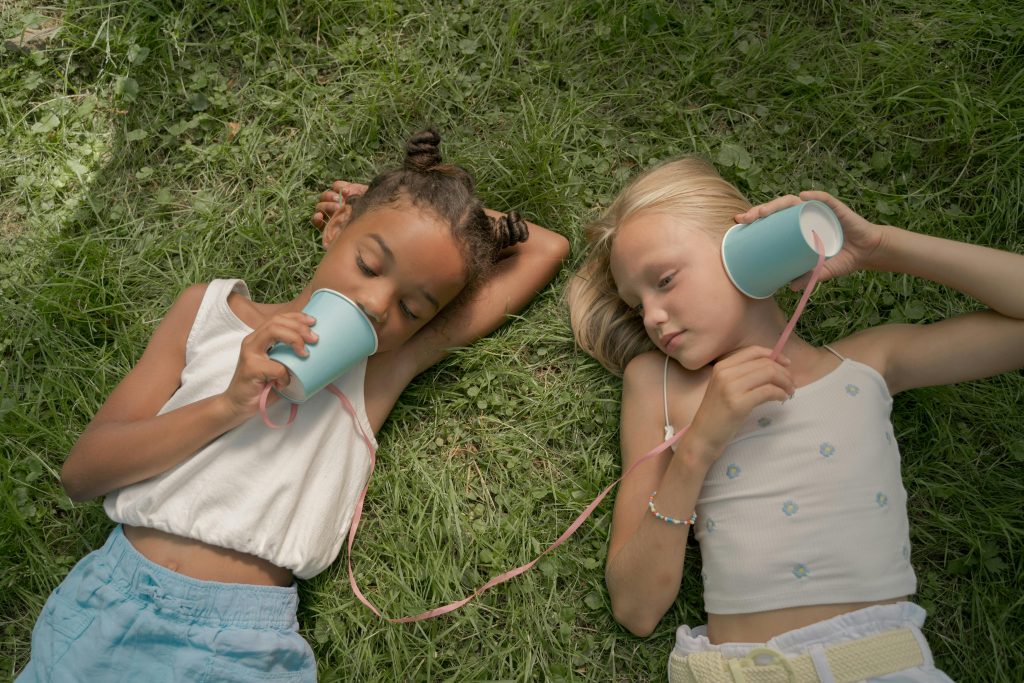
ABA therapy for communication focuses on helping children express needs, share feelings, and connect with others using individualized strategies that match their learning style.
At On Target ABA, we know that communication is more than words. It’s the smiles, gestures, and shared moments that build connection. That’s why each therapy plan combines structure and warmth to help every child find their voice.
According to Autism Speaks, ABA is one of the most effective methods for teaching communication because it breaks complex skills into simple, teachable steps.
Understanding Communication Challenges in Autism
Children with autism often experience differences in how they understand and use language. Some may not speak yet, while others can recite lines from a movie but struggle to hold a conversation.
Common challenges include:
- Limited verbal expression
- Difficulty understanding directions or questions
- Repetitive speech (echolalia)
- Challenges with eye contact or body language
- Trouble initiating or maintaining interaction
These challenges can lead to frustration or behaviors like crying or withdrawing. ABA therapy helps by teaching functional ways to communicate so children feel heard and understood.
The Science Behind ABA Therapy for Communication
ABA therapy for communication uses principles of learning and motivation to teach children how to interact effectively. The process involves:
1️⃣ Assessing communication level — identifying current skills, strengths, and barriers.
2️⃣ Selecting the best method — verbal speech, sign language, or picture systems (like PECS).
3️⃣ Teaching systematically — introducing one step at a time, such as imitating sounds or labeling objects.
4️⃣ Reinforcing success — rewarding attempts to encourage consistent effort.
Therapists design lessons around the child’s interests — for example, using toy cars to teach “go” and “stop,” or snacks to encourage requests.
Every success, big or small, earns praise and joy.
Teaching Early Communication Skills
When children first begin therapy, the focus is on functional communication — the ability to make requests, express needs, and share attention with others.
Here’s what this might look like in practice:
- Using hand-over-hand prompts to sign “more” or “help.”
- Encouraging vocal imitation (“ba,” “ma”) for pre-speech development.
- Teaching picture exchange — handing a photo of juice to request it.
- Celebrating every attempt, even approximations (“ju” for “juice”).
As skills build, therapists fade prompts and increase independence, so children learn to communicate naturally.
The CDC recommends early, consistent communication intervention to strengthen lifelong social outcomes.
Building Verbal and Nonverbal Language
A strong ABA program includes both verbal behavior therapy and nonverbal communication training.
Verbal Behavior Therapy (VBT)
This approach teaches children that words have meaning and power. Therapists help children learn:
- Manding – requesting (e.g., “I want bubbles”).
- Tacting – labeling (e.g., “That’s a dog”).
- Echoic – repeating words to practice speech sounds.
- Intraverbal – answering questions or holding short conversations.
Nonverbal Communication
For non-speaking children, therapists teach gestures, sign language, or picture exchange. These tools reduce frustration and create pathways to verbal language later on.
At On Target ABA, our therapists celebrate every way a child communicates — because connection always comes before conversation.
Using Play to Teach Communication
Children learn best when they’re having fun. That’s why ABA therapy for communication often looks like playtime!
Therapists might:
- Blow bubbles and pause, encouraging the child to say “more.”
- Use a toy kitchen to teach verbs like “pour” or “eat.”
- Read interactive books and prompt the child to point or label pictures.
This playful, low-pressure environment turns therapy into discovery. Communication becomes exciting instead of stressful.
Social Communication in Group Settings
Once children start expressing their needs, the next step is social communication — learning how to interact with peers.
During small group activities at On Target ABA, children practice:
- Saying hello and goodbye
- Taking turns
- Sharing toys
- Asking for help
- Recognizing emotions in others
Therapists guide each step, reinforcing positive interactions and modeling empathy. Over time, children begin to understand that communication is not just about talking — it’s about connecting.
Parent Collaboration and Home Practice
Parents are powerful communication coaches. That’s why we include parent training sessions to help families practice skills at home.
Simple daily strategies include:
- Offering choices (“apple or banana?”) to encourage requests.
- Modeling short, clear phrases (“all done,” “your turn”).
- Responding warmly to any attempt to communicate.
- Avoiding guessing — giving your child time to express themselves.
When parents and therapists work together, children generalize communication skills faster — using them naturally in new settings.
Read more: Parent Training in ABA Therapy: Building Success Beyond the Session.
Collaboration with Speech Therapists
ABA therapy and speech therapy often go hand-in-hand. While ABA focuses on behavior and motivation, speech therapy fine-tunes articulation and language structure.
Collaboration looks like:
- Shared communication goals
- Coordinated lesson plans
- Consistent use of visuals and reinforcement systems
Together, these therapies strengthen understanding and confidence — giving children more ways to express themselves.
According to Autism Speaks, combining ABA and speech improves communication outcomes across all age groups.
Tracking Progress and Celebrating Wins
Therapists record each communication attempt — whether verbal, signed, or gestured. This data shows measurable growth over time.
You’ll see progress reports highlighting milestones like:
- Increased spontaneous speech
- Expanded vocabulary
- Improved response to questions
- Longer engagement with peers
Celebrating these victories keeps therapy positive and motivating for both children and parents.
At On Target ABA, we believe progress isn’t just measured in data — it’s seen in smiles, laughter, and meaningful moments between families.
How Long Does Communication Growth Take?
Parents often ask, “When will my child start talking more?”
There’s no single timeline, but many families begin to see communication gains within the first few months of consistent therapy.
Key factors include:
- Age at start (earlier intervention leads to faster results)
- Therapy frequency
- Parental involvement
- Co-occurring conditions
Even small steps, like pointing or using a picture card, are signs of progress. Every new way of communicating builds momentum.
For more insight, read our blog How Long Does It Take for ABA Therapy to Work?.
The Emotional Impact for Families
When a child begins expressing their needs — asking for a snack, saying “bye,” or sharing a hug — the atmosphere at home changes.
Parents describe less frustration, more understanding, and stronger relationships. Siblings feel included, and daily routines become smoother.
Communication is connection — and ABA therapy helps families rediscover it. 💙
Why On Target ABA
Our communication-focused ABA programs are built around compassion, collaboration, and progress. We proudly serve families in:
Each center provides individualized plans, parent coaching, and consistent updates — ensuring your child’s voice grows stronger every day.
Final Thoughts
ABA therapy for communication isn’t about teaching scripts — it’s about building confidence, trust, and independence.
When children learn to express themselves, they experience the joy of being understood — and parents experience the relief of truly connecting.
At On Target ABA, every sound, sign, or smile matters. Because finding your voice isn’t just progress — it’s a celebration. 🌈