
Every child develops at their own pace, with some hitting milestones later than others. Though this should mitigate concerns for some, others will notice behaviors or developmental patterns that make them wonder whether additional support would be helpful. For a parent who loves their child and wants them to flourish, watching a child struggle to reach milestones can be worrying. You know your child better than anyone, and if something has been weighing on your heart, that feeling deserves to be taken seriously. If your child is struggling to communicate their needs and express themselves, or is having difficulty with social interactions, frequent meltdowns, or delayed milestones, additional support may be beneficial.
While these challenges do not mean your child definitely needs ABA therapy, when several behaviors present together, ABA might be worth considering. Noticing these signs means you’re attentive to your child, and that already says a lot about your care and concern for them. In this guide, On Target ABA, an experienced provider of applied behavior analysis (ABA), explores common signs that a child may need ABA therapy and explains when ABA may be helpful.
Key Takeaways on Signs a Child Needs ABA Therapy
- ABA therapy is an evidence-based approach that helps children build communication and daily living skills while reducing behaviors that interfere with learning and independence.
- Common signs that a child may benefit from ABA include communication difficulties, challenges with social interaction, repetitive behaviors, difficulty with transitions, and developmental delays.
- The benefits of ABA therapy include structured skill-building, improved communication and social abilities, greater independence, and individualized support tailored to each child’s needs.
- ABA therapy can be initiated once developmental concerns are identified and may be beneficial at any age, with earlier intervention often leading to stronger long-term progress.
What is ABA Therapy?
ABA therapy, or Applied Behavior Analysis, is a therapy approach that helps children develop skills and reduce behaviors that interfere with daily life. It uses strategies such as modeling and prompting to improve communication, social interaction, learning, and independence. ABA programs are individualized to each child’s needs and goals, making them a common form of support for children with autism and other developmental challenges.
Common Signs a Child Might Need Behavioral Therapy
Certain behaviors are more likely to indicate a need for behavioral support. Below are several behaviors that could be helped with ABA therapy.
Communication Difficulties
A child may have difficulty:
- Expressing their needs
- Following simple instructions
- Answering questions
- Engaging in back-and-forth conversations
Some children may use very few words for their age, while others may struggle to communicate effectively in social situations. ABA therapy can help children develop functional communication skills that support relationships and everyday interactions.
Struggles With Transitions or Changing Routines
Significant difficulty coping with changes or transitions is a common sign that a child may benefit from ABA therapy. A child may become upset when transitioning between activities or following a new schedule. These reactions can make daily routines and exciting events more challenging. ABA therapy can help children develop flexibility and learn strategies for managing transitions more successfully.
Repetitive Behaviors and Restricted Interests
Repetitive behaviors can be another sign that a child may benefit from ABA therapy. Repetitive behaviors include:
- Repeating certain movements like hand flapping, spinning, and rocking
- Playing with toys in the same way, such as lining up figures
- Repeating words or phrases even out of context
- Becoming highly focused on specific interests and wanting to focus only on those
If a child has very narrow interests and seems fixated on the same toys or routines consistently, that would be another red flag. While some repetition is a normal part of development, behaviors that interfere with learning and social interactions may warrant additional support. ABA therapy can help children develop new skills and engage more effectively with their environment.
Aggression or Self-Injurious Behavior
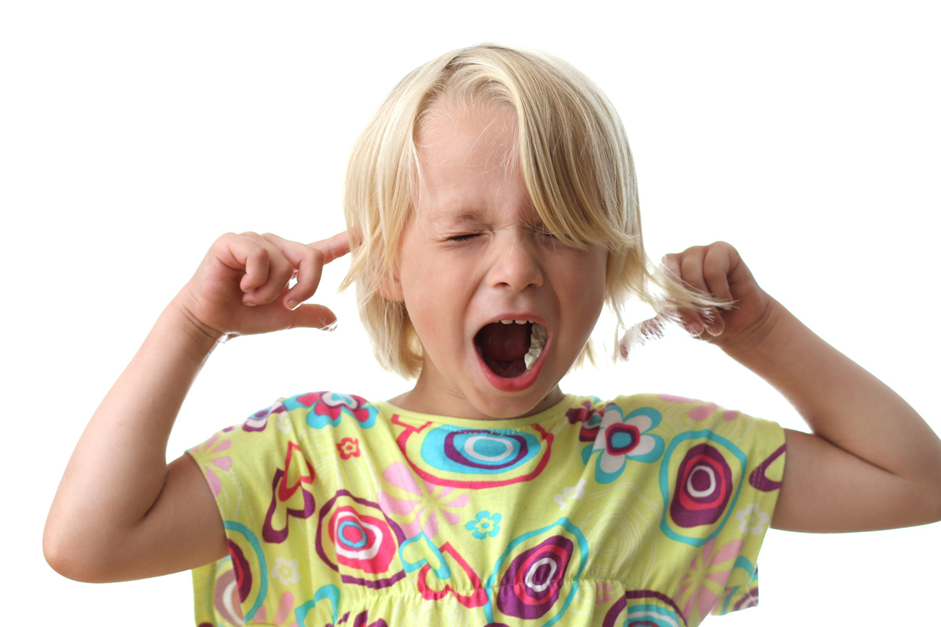
Aggressive or self-injurious behaviors can also be a sign that a child needs additional support. These include hitting, kicking, biting, throwing objects, head-banging, and other actions that cause harm to themselves or others. If these behaviors occur frequently or interfere with daily functioning, they may indicate underlying challenges with communication, emotional regulation, or coping skills. ABA therapy can help children learn safer and more effective ways to express their needs and manage difficult situations.
Struggling With Social Skills and Peer Interaction
If a child has trouble making friends, taking turns, sharing, understanding social cues, or participating in group activities, it could signal a need for ABA support. These challenges can make it harder to build relationships and engage confidently with others at home or in school. ABA therapy can help children develop important social skills and learn how to interact more effectively with their peers.
Developmental Delays
Developmental delays can be another sign that a child needs early ABA support. These may include delays in speech and language, difficulty meeting age-appropriate milestones, or challenges with daily living skills such as dressing, feeding, or following simple routines. Some children may also learn new skills more slowly than expected compared to their peers. ABA therapy can help support skill development by breaking tasks into smaller steps and teaching new abilities in a structured, consistent way.
What Are the Benefits of ABA – Is It Right for My Child?
ABA therapy can help improve communication, social interaction, learning abilities, and independence while also reducing behaviors that may interfere with development. A key benefit of ABA is that it breaks skills into small, achievable steps and uses consistent reinforcement to support learning. Programs are individualized, meaning goals are based on each child’s specific strengths and challenges and are adjusted as progress is made. If you are concerned about any of the signs listed above, ABA might benefit your child.
When to Start ABA Therapy
You don’t always need to wait for an official diagnosis to begin early support.
Research consistently shows that children who receive early intervention, even before age three, make greater gains in communication, learning, and adaptive skills. If you think your child may benefit from ABA, reach out to a provider. At On Target ABA, we can help you through the process, even if your formal paperwork has not yet been finalized.
Though starting earlier may help children build foundational skills during key stages of development, ABA can still be beneficial at later ages depending on individual needs and goals.
Who Qualifies for ABA Therapy – Understanding Insurance Coverage
Finances shouldn’t get in the way of your child’s care. Thankfully, ABA therapy is now widely covered by insurance, including Medicaid and most private plans.
To get coverage, you’ll typically need to provide:
- Your insurance card
- Autism diagnosis report
- Physician referral (if required)
At On Target ABA, our intake team handles all the paperwork – verifying benefits, submitting authorizations, and explaining coverage details. We can even provide an autism evaluation to determine if your child has autism.
Learn more about Medicaid ABA therapy and how we support families through the process.
The Role of Parents in Early Support
Parents play the most powerful role in early learning. Whether you’re waiting for a diagnosis or just starting therapy, you can help by:
- Narrating daily routines
- Offering choices
- Celebrating small successes
- Building consistent routines
- Encouraging play and curiosity
These little gestures will encourage your child’s progress and make it easier for him to navigate daily life.
Starting ABA Therapy at On Target ABA
If you’re noticing worrying signs in your child, it may be helpful to seek a professional evaluation to better understand their needs and explore whether ABA therapy could provide support. If you would like to learn more about how ABA therapy could help your child, or how to get the ball rolling on evaluations and support, reach out to us at On Target ABA. We’d love to help!
Frequently Asked Questions on the Signs a Child Needs ABA Therapy
Who needs ABA therapy?
ABA therapy is used for individuals with developmental delays and behavioral challenges, some of whom have Autism Spectrum Disorder. It helps children and teens build communication, social, and daily living skills while reducing harmful or disruptive behaviors.
At what age is ABA most effective?
ABA therapy is most effective when started early, typically between ages 2 and 6, during peak brain development and language acquisition. Early intervention improves communication, behavior, and adaptive skills. ABA can still benefit older children, teens, and even adults, but outcomes vary based on consistency and individual needs.
How to know if ABA therapy is right for my child?
Determine if ABA therapy is right for your child by evaluating communication difficulties and behavioral challenges. ABA is appropriate when a child needs structured support to build social, language, or adaptive skills. A developmental evaluation from a professional confirms suitability and treatment goals.