🧠 AI Summary:
Applied Behavior Analysis (ABA) therapy often looks like ordinary play, snacks, or data collection from the outside. Behind each moment, trained RBTs and BCBAs are intentionally building communication, social, and daily living skills. This article walks through five everyday scenes and explains what clinicians see in each one, why behavior is treated as communication, how data shows progress, and what families in Ohio and Utah can look for in a quality ABA provider.
Same Room, Different Lens
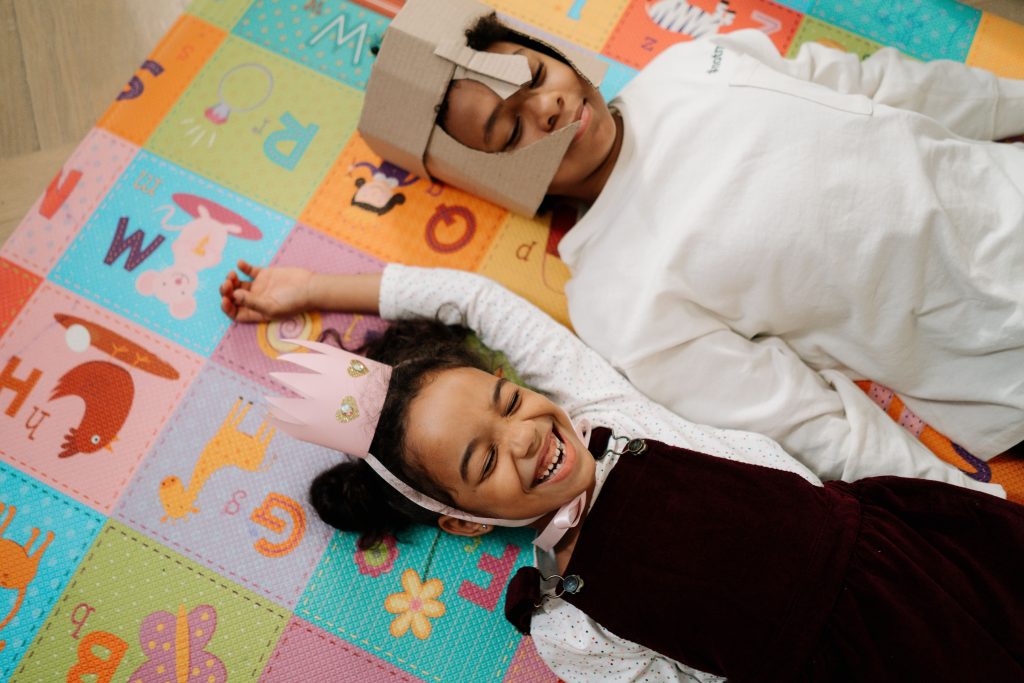
If you peeked into an ABA therapy session, you might think you were watching a playdate. A child stacks blocks. Someone shares crackers at a small table. A therapist jots tally marks on a clipboard. Nothing about it looks especially clinical.
That is exactly the point. Applied Behavior Analysis (ABA) therapy works best when learning feels natural, playful, and woven into everyday life. But behind each ordinary moment, a trained Registered Behavior Technician (RBT) or Board Certified Behavior Analyst (BCBA) is working with real purpose.
So what happens in ABA therapy, really? Below, we walk through five everyday scenes and show what our team at On Target ABA sees in each one. Think of it as a split screen: what it looks like on the left, and what is truly happening on the right.
1. “I Play Here” → “I Build Skills Here”
To a visitor, a playroom full of blocks, balls, and toy cars looks like free time. To an RBT, it is a classroom without the desks.
Modern ABA therapy leans heavily on play-based and naturalistic teaching. Instead of drilling skills at a table for hours, clinicians follow the child’s interests and build learning into activities the child already enjoys. When a child loves stacking blocks, that tower becomes a chance to practice:
- Requesting: asking for “more blocks” or “red one” using words, signs, or picture cards
- Turn-taking: waiting while a therapist adds a block, then taking a turn
- Following directions: “Put the blue block on top”
- Fine motor skills: grasping, placing, and balancing
- Joint attention: looking between the tower and the therapist to share the moment
Play-based learning keeps children motivated, which helps skills stick. It also makes it easier for kids to use those skills at home, at school, and on the playground. That carryover, called generalization, is one of the main goals of every program we build.
2. “I See a Tantrum” → “I See Communication”
Every parent knows the feeling of a hard moment in public: crying, dropping to the floor, toys flying. It is easy to label that as “bad behavior.” In ABA therapy, we ask a different question: what is this behavior telling us?
All behavior serves a purpose. A child who cannot yet say “I’m thirsty” or “This is too loud” may use the only tools they have. BCBAs use a process called a functional behavior assessment to understand the reason behind a behavior. Common reasons include:
- Wanting something, like a snack, toy, or activity
- Wanting to escape or take a break from a demand or environment
- Wanting attention or connection
- Seeking or avoiding a sensory experience
Once the team knows the “why,” they teach a safer, easier way to get the same need met. This is often called functional communication training. A child might learn to hand over a picture card of a cup, use a sign for “break,” or say a single word.
The goal is never to silence a child. It is to give them a voice that works. When communication gets easier, challenging behavior usually becomes less necessary, and families feel more connected.
3. “I Take Data” → “I See Progress”
That clipboard (or tablet) your child’s RBT carries can look like paperwork. In reality, it is one of the most powerful tools in ABA therapy.
Data collection is what makes ABA evidence-based. Every session, therapists record things like:
- How often a child uses a new word or request
- How many steps of a routine (like handwashing) they complete on their own
- How long a challenging behavior lasts, and whether it is decreasing
- How much prompting or help a child needs to succeed
Your child’s BCBA reviews this data regularly to decide what is working and what needs to change. If a goal is moving slowly, the plan gets adjusted. If a skill is mastered, the team moves on to the next one.
4. “More!” → “It’s a First Word”
A plate of crackers might not seem like a turning point. But in ABA therapy, snack time is one of the richest learning opportunities of the day.
Why? Because motivation is built right in. When a child wants another cracker, they have a real reason to communicate. A therapist may hold the next cracker just out of reach and wait, giving the child a chance to reach, point, sign, or say “more.” When they do, the reward is immediate and natural: they get the cracker.
Daily routines like snack time, getting dressed, and washing hands are ideal for teaching because they:
- Happen every day, so practice is built in
- Connect skills to real-life needs
- Are easy for parents to repeat at home
- Help children become more independent over time
Many families remember the day their child said “more,” “juice,” or “mama” for the first time. Often, those breakthroughs happen during the simplest moments. That is the magic of meeting kids where they already are.
.
5. “I Work Here” → “I Make a Difference Here”
From the parking lot, an ABA center looks like any other workplace. People arrive, clock in, and head to their rooms. But the people who choose this work tend to share something special: they show up for kids.
At On Target ABA, our care team includes:
- Board Certified Behavior Analysts (BCBAs): They assess each child, design individualized treatment plans, supervise therapy, and guide families.
- Registered Behavior Technicians (RBTs): They work one-on-one with children, deliver daily sessions, and collect the data that shapes each plan.
- Support and intake staff: They help families navigate insurance, scheduling, and getting started.
The difference our team makes is not only in mastered goals. It is in the high-fives, the first waves goodbye, and the parent who finally gets to hear their child ask for what they need. That kind of impact is why our clinicians do what they do.
What Families Can Look for in Quality ABA Therapy
Now that you know what happens in ABA therapy behind the scenes, here are a few signs of a provider that sees your child through the right lens:
- Individualized plans: Goals are built around your child’s strengths, interests, and family priorities, not a one-size-fits-all checklist.
- Play-based, child-led approach: Sessions feel engaging and respectful, and your child looks forward to coming.
- Clear data and regular updates: You can see progress in plain language and ask questions anytime.
- Parent training and involvement: You learn strategies to use at home so skills carry over into daily life.
- Credentialed, supervised staff: Therapy is overseen by a BCBA, and RBTs receive ongoing training and support.
See the Difference With On Target ABA
On Target ABA provides compassionate, play-based ABA therapy for children ages 2 to 12. We offer center-based, home-based, and school-based programs across Ohio, including Columbus, Worthington, and the Cleveland area, plus the Salt Lake Valley in Utah.
Ready to learn more? Reach out to On Target ABA today to schedule a consultation and take the first step toward giving your child the strongest possible foundation for growth.